


We use cookies to deliver the best possible experience on our website. By continuing to use this site, or closing this box, you consent to our use of cookies.

Whirlpools
Filters
Sort by
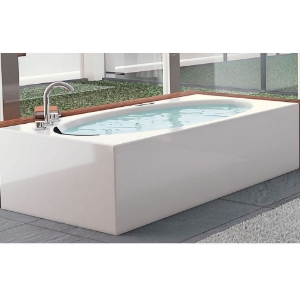
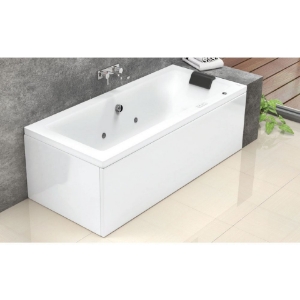
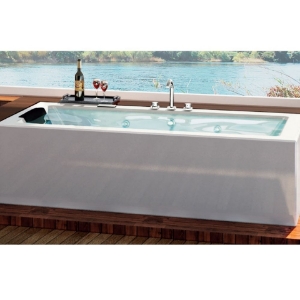
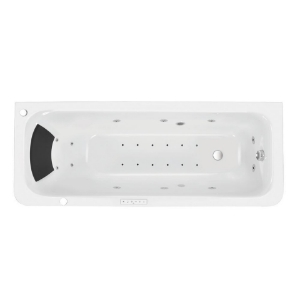
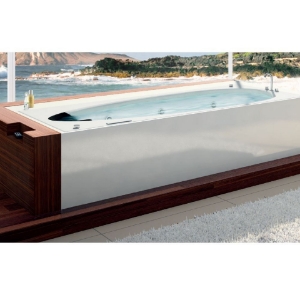


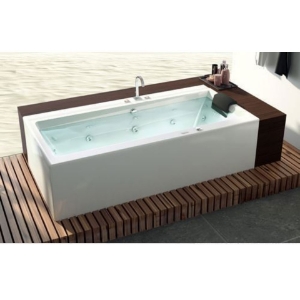

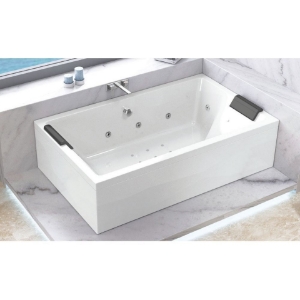
Kubix Prime Combi System With Filtration System (Trigiene)
Code : JWP-WHT-KUBIXPM180FLTCX
Price on request


Whirlpools Tub
A jacuzzi tub, also known as a whirlpool bath, uses strategically placed water jets to deliver a relaxing hydrotherapy experience. Designed to ease muscle tension and improve circulation, these tubs combine comfort, wellness, and modern design for premium residential bathroom spaces.
Jaquar proudly presents its own range of whirlpools. Created by specialist designers from Europe and made in Jaquar’s state-of-the-art manufacturing facilities. Jaquar whirlpools bring wellness into your home with great style and panache.
Their jets project water in a flowing, circular motion, which offers a wide array of health benefts, including relaxation, improved blood circulation and sore muscle and joint relief.
Whatever you desire, whether hot or cold water massages, long relaxing soaks or even chromotherapy, a Jaquar whirlpool gives you all these and more. Easy to use functions flawlessly switch water modes for your benefit.
Experience the ultimate relaxation of hydromassage therapy with our whirlpool bath or Jacuzzi tubs.
Choosing the Right Whirlpool Bath for Your Bathroom
A whirlpool bath combines the familiar comfort of a bathtub with an integrated system that circulates water or introduces air to create a massage effect. Selecting the right model involves more than choosing a design. The bath's dimensions, internal shape, jet configuration, control system and installation requirements all influence how well it suits the bathroom and the intended bathing experience.
Jaquar's whirlpool collection includes different bath designs and system configurations, allowing you to compare options according to your space, preferences and functional requirements. Whether you are planning a new bathroom or upgrading an existing bathing area, consider the relationship between the bath's design, its hydrotherapy features and the practical requirements of installation.
Explore the Jaquar whirlpool collection to compare available models and identify a whirlpool bathtub suited to your bathroom.
Understanding Whirlpool System Types
The type of system fitted to a whirlpool determines how the water and air interact during a bath. Jaquar offers water-based and combination system configurations, giving you different ways to experience hydromassage.
Water System Whirlpool Baths
A water system whirlpool uses jets to circulate bathwater and create a directed massage. The water is drawn through the system and returned to the bath through strategically positioned jets. Depending on the model, the direction and intensity of the water flow may be adjustable.
This configuration is worth considering if you prefer the sensation of a targeted water massage. The position of the jets, the available controls and the overall bath design should be assessed together, as they determine how the massage experience is delivered.
When comparing water system models, review the number and positioning of the jets, the control method and the technical specifications. The number of jets alone does not determine the quality of the experience. Their placement, flow characteristics and adjustability are also important.
Combi System Whirlpool Baths
A combination, or combi, system brings together water-based hydromassage and air massage functions in one bath. This provides a choice between the directed sensation of water jets and the gentler bubbling effect produced by air jets.
The two functions offer different experiences. Water jets create a more focused flow, while air jets distribute bubbles through the bathwater. A combination system can be suitable for users who want flexibility in how they use their whirlpool.
Before selecting a combi system, check which functions are included, how they are controlled and whether the model supports independent operation or specific combinations of settings. Features and controls vary by product, so refer to the individual product details.
How Whirlpool Jets Shape the Bathing Experience
Jet design is central to the performance of a whirlpool. The number, position, direction and intensity of the jets influence how the water moves around the bath and how the massage feels.
Water Jet Positioning
Water jets are positioned to direct the flow towards selected areas of the body. Their arrangement differs between bath designs, making it important to consider the internal shape of the tub as well as the jet layout.
The position of the jets should complement the way a person sits or reclines in the bath. A well-considered arrangement can create a more comfortable experience without requiring the user to continually adjust their position.
Where the model provides adjustable jets, the direction and intensity can be adapted according to the available settings. Always follow the manufacturer's instructions and avoid using a setting that causes discomfort.
Air Jets and Bubble Distribution
Airpool systems introduce air into the water through dedicated outlets, creating a fine-bubble effect across the bath. The sensation differs from the more directional pressure produced by water jets.
Air massage may appeal to people who prefer a gentler, more evenly distributed bubbling experience. The placement and number of air outlets, along with the available intensity controls, influence how the bubbles are experienced.
When comparing models, check whether air massage is included and how its intensity is regulated. A water-only system should not be assumed to provide airpool functionality.
Controls and Personalisation
A whirlpool's controls determine how easily users can operate the massage functions. Depending on the model, controls may be manual or electronic and may provide access to different settings.
Consider the position of the control panel, the functions it operates and how clearly the settings are identified. A simple, accessible control arrangement can make the bath easier to use, particularly when the system includes multiple massage modes.
Review the product documentation to understand the available controls and any operating sequence required before starting the system.
Selecting a Whirlpool Size and Shape
The right whirlpool should fit the bathroom comfortably while providing sufficient internal space for bathing. The external dimensions determine whether the tub can be accommodated, while the internal shape influences comfort and the positioning of the body.
Measure the Available Space
Start by measuring the proposed installation area. Check the available length, width and height, including the space needed for the bath's supporting structure, plumbing connections and access panels.
Allow for nearby bathroom fittings, doors and circulation routes. A bath that fits within the room's dimensions may still be unsuitable if it restricts access to the shower, basin or other fixtures.
The dimensions of the selected whirlpool should be checked against the actual site measurements and technical drawing. Do not rely on the nominal size alone, particularly where the bath has a shaped rim or a wider external profile.
Consider the Internal Bathing Area
Two whirlpool baths with similar external dimensions may offer different internal layouts. The shape of the bathing well, the slope of the backrest, the position of the drain and the arrangement of the jets can all affect comfort.
Consider how the internal shape supports your preferred bathing position. The bath should provide enough room to sit or recline comfortably while allowing the water jets to operate as intended.
Where possible, review the product drawings and dimensions before making a final decision. This is especially useful when comparing models with different profiles or internal contours.
Choose a Shape That Complements the Layout
The shape of a whirlpool affects both its appearance and how it fits into the bathroom. Rectangular designs can work well along a wall or within a defined bathing zone, while other shapes may suit a different architectural arrangement.
Consider the relationship between the bath, the surrounding walls and the other fixtures. The design should support convenient access and leave adequate room for cleaning and maintenance.
A whirlpool can become a focal point within a bathroom, but its placement should remain practical. Ensure that the chosen position accommodates the bath's dimensions, connections and servicing requirements.
Whirlpool Baths in Different Bathroom Designs
A whirlpool can be incorporated into a variety of bathroom settings, provided the space and installation conditions are suitable.
Main Bathrooms
In a main bathroom, a whirlpool can create a dedicated bathing area that combines everyday functionality with a more personalised bathing experience. Consider the available floor space, the location of the shower and the relationship between the bath and other sanitaryware.
A coordinated selection of fittings, finishes and accessories can help the whirlpool integrate naturally into the overall design.
Ensuite Bathrooms
An ensuite may benefit from a whirlpool where the layout provides sufficient room for the bath and its supporting equipment. Space planning is particularly important because the bath must coexist with the basin, WC, shower and circulation area.
Measure the room carefully and confirm the required installation clearances before choosing a model. A compact or carefully positioned design may be more suitable than a larger bath that restricts movement.
Dedicated Wellness Spaces
A whirlpool can also form part of a dedicated wellness area. In this setting, lighting, materials, storage and the surrounding bathing fixtures can be planned together to create a consistent environment.
Consider the location of controls, the availability of suitable electrical and plumbing connections, and access to the bath's technical components. The visual design should be supported by a practical installation plan.
For a broader wellness arrangement, explore Jaquar home spa solutions, which offer a different category of products designed around hydrotherapy and relaxation.
Materials and Construction: What to Consider
The material of a whirlpool bath affects its appearance, weight, surface characteristics and maintenance requirements. Jaquar whirlpools use sanitary acrylic construction, with product-specific layers and components designed to support the bath's performance.
Acrylic Surface and Finish
Acrylic is used in bathroom products for its smooth surface and design flexibility. It can support a range of bath shapes and provide a clean, consistent finish.
When evaluating a whirlpool, consider the surface quality, the shape of the rim and the way the bath integrates with surrounding finishes. The surface should be maintained using products suitable for the specified material.
Avoid assuming that every cleaning agent is appropriate for acrylic. Follow the care instructions provided for the selected model to help preserve its finish.
Structural Layers and Insulation
The construction beneath the visible surface contributes to the bath's structural characteristics. Jaquar's whirlpool information describes a multi-layer construction incorporating acrylic and supporting materials.
The layers have different roles, which may include surface protection, mechanical support and insulation. Their precise configuration should be understood through the product's technical information rather than assumed to be identical across all models.
Insulation can help reduce heat loss through the bath structure, but the temperature of the water also depends on the starting temperature, room conditions, water volume and duration of the bath.
Surface Care and Repairability
Routine care helps maintain the appearance of the bath. Use a soft cloth and a suitable cleaning product, following the manufacturer's instructions for the acrylic surface and surrounding components.
Avoid abrasive pads, harsh chemicals and unapproved solvents that may damage the finish. If the surface becomes scratched or damaged, consult an authorised service professional before attempting a repair.
The repairability of a particular component depends on the nature and extent of the damage. Refer to Jaquar's product and service guidance for appropriate maintenance or repair options.
Planning the Installation of a Whirlpool
A whirlpool requires more planning than a conventional bathtub because it includes a circulation system and associated components. The installation must accommodate the bath itself, the water supply, drainage, electrical connections where applicable and access for servicing.
Plumbing and Drainage
Confirm the position of the water supply and waste outlet before installation. The bath's dimensions and drain arrangement must be compatible with the available plumbing.
The installer should review the product's technical drawing and ensure that the waste connection, pipework and supporting structure are suitable. Drainage should be installed according to the manufacturer's instructions and applicable plumbing requirements.
The installation should also allow for the correct filling and draining of the bath. Follow the specified operating procedure for the whirlpool system, including any minimum water level required before the jets are activated.
Electrical Safety
Whirlpool systems with powered pumps, controls or other electrical components require appropriate electrical installation. The exact requirements depend on the selected model and its configuration.
A qualified professional should verify the electrical supply, earthing, protective devices and connection arrangements in accordance with the manufacturer's instructions and applicable safety requirements.
Electrical components must be positioned and protected as specified for the product. Do not modify the system or attempt electrical repairs unless appropriately qualified.
Access for Maintenance
The installation should provide suitable access to the pump, controls and other serviceable components. Concealing every component without an appropriate access arrangement can make future inspection and maintenance difficult.
Before the bath is enclosed or surrounding finishes are completed, confirm the location of access panels and the space required for servicing. The installation plan should account for both the finished appearance and the practical needs of maintaining the system.
Operating and Maintaining Your Whirlpool
Correct operation and regular maintenance help preserve the performance of a whirlpool system. The bath should be used according to the product instructions, including the specified water level, operating sequence and cleaning procedure.
Before Using the Whirlpool
Check that the bath has been filled to the level required by the manufacturer before activating the hydromassage or air massage functions. Operating a system without the required water level can affect its operation and may damage components.
Use the controls as instructed and familiarise yourself with the available settings before selecting a massage mode. If the system produces an unusual sound, shows a fault or does not operate as expected, switch it off and consult the product documentation or an authorised service representative.
Cleaning the Bath and System
The visible bath surface should be cleaned regularly using suitable products. The internal circulation system also requires care, particularly because water passes through pipework and jets that are not directly visible during normal use.
Follow the manufacturer's instructions for cleaning and maintaining the water system. If the model includes a filtration or cleaning system, confirm its operating procedure and maintenance requirements.
Do not assume that draining the bath alone is sufficient to clean every part of the circulation system. The correct cleaning method depends on the system design and the instructions supplied with the product.
Preventing Residue and Odour
Bathing products, oils and other substances can leave residue on the surface or within the circulation system. Use only products compatible with the whirlpool and avoid adding substances that the manufacturer does not recommend.
After use, drain the bath and follow the prescribed procedure for cleaning or drying the system. Where the product includes a specific drainage design, use it as directed.
If an unusual odour or performance issue persists, consult the product instructions and seek qualified assistance rather than attempting an unapproved chemical treatment.
Whirlpool Bath or Conventional Bathtub?
A conventional bathtub provides a space for soaking, while a whirlpool adds a powered system that circulates water or introduces air to create a massage effect. The choice depends on the preferred bathing experience, available space and willingness to maintain the additional equipment.
A conventional bathtub may be suitable when the priority is straightforward bathing with fewer mechanical components. A whirlpool may be preferable when integrated massage functions and adjustable settings are important to the intended experience.
The installation requirements also differ. A whirlpool needs space for its pump, pipework, controls and any required electrical components, as well as suitable access for maintenance. These considerations should be included in the bathroom plan from the beginning.
For a different bathing format, explore Jaquar freestanding bathtubs to compare standalone bath designs with the integrated massage functionality of a whirlpool.
Discover the Jaquar Whirlpool Collection
Choosing a whirlpool involves balancing bathing comfort, system functionality, design and installation requirements. Water system and combi system configurations offer different massage experiences, while the bath's shape, dimensions and jet arrangement influence how it fits into the bathroom.
Consider the features that matter most, including the type of massage, available controls, surface material and maintenance requirements. Confirm the product dimensions, plumbing connections, electrical specifications and access provisions before finalising the installation.
Jaquar's whirlpool collection brings together a range of bath designs and system configurations for different bathroom requirements. Explore the complete Jaquar whirlpool range to compare available options and select a whirlpool bath that complements your space and preferred bathing experience.
Planning a Whirlpool Bath as Part of a Complete Bathroom Project
A whirlpool bath should be selected as part of the complete bathroom plan rather than treated as an isolated fixture. Its position influences circulation, the placement of other sanitaryware, the distribution of services and the amount of usable floor space remaining in the room. Considering these relationships early helps prevent design compromises during installation.
For a new bathroom, the bath can be incorporated into the initial architectural layout, allowing the designer to coordinate its footprint with walls, openings, storage and other fixtures. For an existing bathroom, the assessment should begin with the available space and the condition of the current plumbing and electrical infrastructure.
The decision should also reflect how the room will be used. A family bathroom, a private ensuite and a guest bathroom may have different priorities for accessibility, bathing frequency, cleaning and available storage. Establishing these requirements before choosing a model makes it easier to evaluate suitable configurations.
Establishing the Bathroom Design Brief
A clear design brief gives homeowners, architects and installers a common reference for evaluating the available options. It should describe the purpose of the bathing area, the intended users, the desired appearance and the practical constraints of the property.
A useful brief can address the following points:
- Primary use: Determine whether the bath is intended for regular personal bathing, occasional use or a specific project requirement.
- User requirements: Consider preferred bathing positions, ease of entry and exit, and any assistance that users may need.
- Design direction: Identify the intended relationship between the bath, wall finishes, flooring, lighting and other fixtures.
- Available services: Record the existing water supply, drainage, electrical provisions where applicable and any limitations identified by qualified professionals.
- Maintenance expectations: Establish how the system will be cleaned, inspected and serviced after installation.
- Project constraints: Document the budget, construction schedule, access limitations and any relevant building requirements.
This brief should be agreed upon before detailed product comparisons begin. It helps distinguish essential requirements from optional preferences and provides a practical basis for evaluating different models.
Coordinating the Bath with the Overall Floor Plan
The location of a whirlpool should support convenient movement through the bathroom. Its footprint is only one part of the layout: the space required to approach the bath, use adjacent fixtures and clean the surrounding surfaces also matters.
Designers should review the relationship between the bath and nearby doors, shower enclosures, basins, toilets and storage units. Door swings, drawer openings and access to concealed services can create conflicts even when the bath itself fits within the measured floor area.
Where the bathroom includes both a bath and a shower, the two bathing zones should be assessed together. Their positions should allow the intended users to access each fixture without creating unnecessary obstructions. Splash management, drainage locations and the placement of screens or partitions should also be considered as part of the overall design.
In larger bathrooms, a clearly defined bathing zone can help establish visual order. In more constrained rooms, the priority is to retain practical circulation and access rather than filling the available area with the largest possible fixture.
How to Evaluate a Whirlpool Bath for Renovation Projects
A bathroom renovation introduces constraints that may not exist in a new-build project. Existing pipework, concealed services, structural conditions and finished wall surfaces can affect the feasibility of installing a whirlpool. The most appropriate model is therefore one that works with the verified conditions of the property, not simply one that matches the preferred appearance.
Assessing Existing Infrastructure
Before removing the existing bath or committing to a new product, document the current installation. Record the bath's location, the position of the drainage outlet, the available water connections and any existing electrical provisions relevant to the proposed system.
A qualified installer should determine whether the current arrangements can support the selected product or whether alterations are necessary. The result may affect the construction schedule, the amount of finishing work and the overall project cost.
The existing bath footprint should not automatically be treated as the available installation space. A whirlpool may require additional room for system components, service access or a different arrangement of connections. Product drawings and installation documentation should be reviewed against actual site measurements.
Planning for Concealed Services
Bathroom renovations often involve concealing pipework, electrical connections and supporting components behind panels, platforms or finished surfaces. These details should be planned before the final finishes are installed.
The design team should identify which components require inspection or servicing and establish how access will be provided. Access panels should be integrated into the design in a way that remains practical without unnecessarily disrupting the appearance of the bathroom.
It is equally important to coordinate the work sequence. Plumbing, electrical work where applicable, structural preparation, waterproofing and finishing should follow an agreed installation plan. The relevant professionals should confirm that their work is compatible with the manufacturer's requirements and the applicable local regulations.
Deciding Whether to Retain the Existing Layout
Retaining the current layout may reduce the extent of renovation work, but it should not be assumed to be the best option. A different bath configuration may require changes to service locations or surrounding fixtures.
Compare the practical implications of keeping the existing arrangement with those of revising it. Consider circulation, access, maintenance, the position of other sanitaryware and the feasibility of completing the work within the project schedule.
The final decision should be based on verified measurements, professional assessment and the requirements of the selected product. Where the existing infrastructure is unsuitable, resolving those limitations before installation is preferable to relying on unplanned adjustments during construction.
Comparing Whirlpool Bath Models Through a Specification Checklist
A structured comparison makes it easier to evaluate products consistently. Rather than relying on appearance or the number of advertised features, compare each candidate against the requirements established in the bathroom design brief.
The following checklist can be used when reviewing the available product documentation.
Evaluation criterion | What to verify |
Product dimensions | External dimensions, internal bathing area and overall fit within the measured space |
System configuration | Whether the model is a Water System, Combi System or another explicitly documented configuration |
Massage functions | Functions confirmed for the exact model, including any differences between variants |
Controls | Available controls, operating instructions and ease of access |
Materials and finish | Documented construction materials and the appropriate care instructions |
Plumbing requirements | Connection positions, drainage arrangements and installation details |
Electrical requirements | Applicable supply and protection requirements, as documented for the model |
Servicing access | Space and access arrangements required for inspection or repair |
Included components | Items supplied with the selected configuration and any separately required components |
Local availability | Confirmation that the exact model and configuration are offered in the intended market |
After-sales support | Applicable service arrangements, warranty conditions and maintenance guidance |
Documentation | Availability of current technical drawings, installation instructions and product-specific information |
This checklist should be completed using the exact model code rather than a product-family name alone. Two models from the same range may have different system configurations, components or technical requirements.
Understanding Model Codes and Product Variants
A product name may represent a family of related models rather than a single specification. For example, the official international catalogues list both Water System and Combi System variants for some models, while selected markets list versions described as including filtration systems.
These listings demonstrate why product names alone are insufficient for final specification. The exact code should be matched to the current product documentation, and the buyer should confirm which features are included in the version offered locally.
Availability should also be checked with the relevant country team or authorised representative. A model appearing on one official country website should not automatically be assumed to be available in every market.
Selecting a Whirlpool Bath for Residential Developments
Residential developers need to evaluate bathroom products across individual units as well as the complete development. A specification that works in one show apartment may need further assessment before it is adopted across multiple layouts, apartment types or building phases.
The initial review should identify the bathroom layouts in which the product is intended to be used. Differences in room dimensions, service locations and construction details can affect whether the same model is suitable for every unit.
Standardisation and Layout Variations
Standardising a product specification can simplify procurement, documentation and coordination. However, standardisation should follow a review of the actual layouts rather than precede it.
Where a development contains several bathroom configurations, group the layouts according to their verified requirements. Confirm whether the proposed bath fits each applicable layout and whether the required service connections and maintenance access can be provided consistently.
If different models are required for different layouts, record the distinction clearly in the schedules and drawings. Product codes, quantities and installation notes should be consistent across procurement documents, site instructions and handover records.
Procurement and Delivery Coordination
The product selection process should be aligned with the construction programme. Before orders are finalised, confirm the model, configuration, quantities, delivery expectations and documentation needed for installation.
Developers should also establish a process for reviewing substitutions. A visually similar replacement may have different dimensions, connections, controls or service-access requirements. Any proposed change should therefore be checked against the approved drawings and project specifications before acceptance.
Clear product records are particularly useful when procurement, installation and quality checks are managed by different teams. They reduce ambiguity and make it easier to resolve questions about the intended configuration.
Handover and Building Documentation
At handover, the project team should provide the documentation required for the installed products. Depending on the project and product, this may include operating instructions, care guidance, technical information, warranty documentation and details of the appropriate service contact.
The records should identify the actual model installed in each relevant unit. This allows future owners, property managers or maintenance teams to consult the correct instructions rather than relying on generic information about a product family.
Whirlpool Baths in Hotels and Guest Accommodation
A whirlpool bath in a hospitality environment should be assessed against the operational requirements of the property as well as the design brief. The suitability of a particular model depends on its documented capabilities, installation conditions, intended usage and the support arrangements available to the operator.
Hotels, serviced apartments and other guest accommodation settings can differ significantly in their operating patterns. A product selected for a private residence should not automatically be specified for a commercial setting without reviewing the relevant requirements.
Guest Experience and Operational Practicality
The bathing area should be intuitive to use and straightforward for the housekeeping or maintenance team to inspect. Controls should be understandable from the product instructions, while the surrounding layout should allow the bath and adjacent surfaces to be cleaned effectively.
The design team should consider how guests will approach the bath, where towels and personal items can be placed, and how the bathing zone relates to the rest of the bathroom. These details contribute to usability without requiring unsupported promises about the effects of the bathing experience.
The intended level of use should also be documented. A product's suitability for repeated commercial use must be established from its official specifications and applicable guidance rather than inferred from its appearance or its presence in a residential product catalogue.
Housekeeping and Maintenance Planning
Before adopting a whirlpool for a hospitality project, establish the cleaning and maintenance procedures that will apply after installation. These procedures should follow the product's official instructions and reflect the responsibilities of the property's housekeeping and technical teams.
The operator should understand which cleaning products are permitted, how the system must be maintained and when professional servicing is required. Staff should not be asked to improvise chemical treatments or maintenance procedures that are not supported by the manufacturer.
The project team should also plan for access to serviceable components. Concealed systems need an appropriate access strategy so that inspection and repair do not require avoidable damage to completed finishes.
Specification Across Multiple Rooms
When several rooms use the same whirlpool model, consistency in documentation becomes important. Record the approved model code, configuration, installation requirements and relevant operating information in the project schedule.
Any differences between room types should be recorded explicitly. This is especially important where product variants have different functions or components. A clear schedule supports procurement checks, installation inspections and subsequent maintenance.
Coordinating Finishes, Fixtures and Bathroom Details
The bath should complement the broader bathroom design while remaining practical to use and maintain. Coordination includes the visible relationship between materials and finishes, but it also includes the positioning of fixtures, access to controls and the treatment of adjoining surfaces.
Choosing Compatible Bath Fittings
The choice of a bath tap or mixer should be based on the bath's design, the intended installation method and the manufacturer's compatibility information. A fixture that looks appropriate may not suit the available mounting position or the selected bath's connection requirements.
Before specifying a fitting, confirm its intended application and installation arrangement. Consider the position of the spout, the location of handles or controls, the direction of the water outlet and the practical clearance around the rim.
Where the design calls for a coordinated set of bathroom fittings, review the relevant tap options as part of the same specification process. The final selection should reflect verified compatibility rather than an assumption that products from the same manufacturer necessarily work together.
Coordinating the Bath with a Shower
Some bathrooms include a separate shower alongside the whirlpool. In these layouts, the shower's position, screen or enclosure and drainage arrangement should be coordinated with the bathing zone.
The designer should assess how users move between the two fixtures and whether the layout allows convenient cleaning and maintenance. The choice of shower should be made according to the intended application, available space and documented installation requirements.
Where both fixtures share a visually connected area, consistent finishes and considered placement can help the bathroom feel cohesive. Practical requirements should remain the priority when aesthetic preferences conflict with access or installation constraints.
Maintaining a Consistent Design Language
The bath's outline, surrounding materials and adjacent fixtures all contribute to the room's visual balance. A considered approach to proportions, surface textures and finish selection can help the bathing area integrate with contemporary, traditional or minimalist interiors.
Consistency does not require every fitting to have an identical shape or finish. Instead, the elements should relate to one another through a clear design intention. The final selection should also account for the care requirements of each material and the effect of everyday use on visible surfaces.
Water, Energy and Lifecycle Considerations
The operational requirements of a whirlpool should be considered alongside its initial purchase and installation. Water supply, electricity where applicable, maintenance and the availability of service support can influence the long-term ownership experience.
Actual resource consumption depends on the specific product, the way it is operated and the conditions in which it is installed. It should not be assumed that a whirlpool uses less water or energy than a conventional bath without suitable supporting evidence.
Evaluating Water Requirements
The water required for a bath depends on its capacity, the selected fill level and how it is used. Before making a final selection, review the product's documented capacity and consider the available hot-water supply and the requirements of the household or project.
For developments and hospitality projects, water requirements may need to be considered at the level of the overall building. The relevant professionals should evaluate the proposed installation in relation to the building's services and applicable requirements.
Water-related decisions should be based on the actual product and project conditions, not on general assumptions about whirlpool technology.
Considering Electricity and Operating Requirements
Where a model includes powered components, the associated electrical requirements should be confirmed from its technical documentation. A qualified professional should determine whether the proposed installation can support the specified system.
Operating practices also matter. Users should follow the supplied instructions and avoid unauthorised changes to the system. Any fault or unexpected operation should be investigated according to the manufacturer's guidance.
Planning for Long-Term Ownership
A product evaluation should consider more than the initial purchase. Documentation, service access, replacement-part availability and the applicable warranty conditions may affect the practical ownership experience.
Before choosing a model, confirm the after-sales support available in the intended market and understand the conditions that apply to the specific product. Warranty terms and service arrangements should be verified rather than assumed to be identical across countries.
A well-documented installation is easier to maintain because future owners and service professionals can identify the installed configuration and consult the appropriate instructions. For this reason, the product code and relevant documentation should be retained after the bathroom project is completed.
A Practical Framework for Final Product Approval
Final approval should take place only after the design, technical and procurement requirements have been checked together. A short review process can help ensure that the selected whirlpool is appropriate for the intended room and that the installation team has the information needed to proceed.
Before confirming the product, verify that:
- The selected model and configuration are available in the intended market.
- The product dimensions have been checked against the measured site and approved drawings.
- The intended system functions are explicitly documented for the selected model.
- The plumbing, drainage and electrical requirements have been reviewed by the relevant professionals.
- Structural suitability and the required access for maintenance have been assessed.
- The surrounding fixtures and finishes are coordinated with the proposed installation.
- The applicable installation, operating, care and warranty documentation is available.
- The procurement schedule identifies the exact product code and any required components.
If any item remains unresolved, obtain clarification before ordering or installing the product. This is particularly important when working with a model family that includes different system configurations.
The official Jaquar whirlpool catalogue can serve as the starting point for comparing the models listed in each market. Product-level decisions should then be based on the current technical documentation and confirmation from the relevant local team.
A successful whirlpool installation brings together product selection, bathroom design, technical coordination and a clear maintenance plan. Treating these as connected decisions helps create a bathing space that meets the intended design brief while remaining practical throughout its service life.
Show Hydromassage Bath
A gentle jet stream massage bath on hydromassage tub stimulates from the surface of the skin onwards. The deep tissue massage stimulates blood vessels and nerve endings and relaxes your body’s entire muscular system.
Show Air Massage
An infnite number of air bubbles provide a caressing sensation on the skin and allow the water‘s soothing warmth to penetrate deeper into the body‘s tissue. This sensational feeling, akin to weightlessness, is accompanied by a deep experience of healing warmth.
Show Chromotherapy
- Green: has harmonious effects on the digestive system
- Yellow: radiates sun-like warmth on the body
- Blue: is calming and soothing and lets you float away in to your dreams
- Red: infuses energy and vitality, giving lost strength to the entire system.
Show Whirlpools Tub Features
The unbeatable product features of whirlpool tub are:
- Brilliant surface of sanitary acrylic
- Antibac® hygienic surface
- Increased chemical resistance
- High break strength
- Long life
- Excellent design possibilities
- Easyglide® layer
- Low specific weight
- Recyclable
- Repairable
Show Whirlpool Bath Layers

Special transparent acrylic top layer has a high chemical resistance to: cleaning agents, perfumed foams, household detergents, body care products. It prevents surface defects, crazing/cracking, decolouration and colour fading Special polymer for better mechanical resistance to impact and the temperature Polyurethane layer is recyclable and usable ecological material with high insulation that retains the temperature for a longer period than FRP
- 01
Safety Vacuum Breaker
This is one of the important safety features installed in Jaquar whirlpools. In case of blockage in the suction point the motor switches off automatically
- 02
No Bacteria Formation
Fresh water everytime. The water pipes connect via Y-shaped housings, creating a bow which ensures the complete drainage of water. Unpleasant odours and, even worse, bacteria are thus avoided
- 03
Environment Friendly
The pipes are ARC190CX made from special Food Grade PVC. These pipes have an anti bacterial coating on the inner side so that even if some drops of water stay behind after the tub is drained, there won’t be any bacteria formation in the water droplets.
- 04
3 Tier Test
Each and every Jaquar whirlpool goes through a functional test with hot water after which it is tested on a European test machine for earthing resistance, insulation test and a high voltage test.
- 05
Easy To Use
The electronic keypad control activates all the hydromassage functions, to regulate airpool intensity. All electronic parts can be installed and removed on site, thus making after-sales, what it should ideally be - a service !
- 06
Water Jets
The effectiveness of the hydromassage is enhanced by the water flow which can be adjusted in intensity and direction to suit personal needs, in order to gently massage delicate areas.
- 07
Airpool Jet
The airpool jets provide a gentle and delicate massage on your spine, which increases the sensation of warmth in the body and has benefcal effects on the back. The air bubbles open the insulation layer by oxygenating the body
- 08
PMMA Sheet
Jaquar whirlpools are made of the highest grade of PMMA acrylic sheets.
- 09
Air Suction Valve
To enable suction of atmospheric air, and distribute it to each and every water jet to boost the jet pressure
FAQs:
- A whirlpool tub is a specially designed tub equipped with built-in jets that circulate water to create a massaging effect. These jets release streams of water and air that help relax muscles, improve circulation, and provide a spa-like bathing experience at home.
- Unlike standard bathtubs, whirlpool tubs focus on hydrotherapy benefits, making them ideal for those who value relaxation and wellness.
- They are available in different shapes and sizes, allowing homeowners to choose models that fit their space and lifestyle needs.
When selecting the right size, consider the following factors:
- Bathroom space: Measure floor area and leave clearance for access.
- Number of users: Choose single or double tubs depending on preference.
- Tub depth and length: Ensure comfortable soaking for your height.
- Plumbing and electrical needs: Check if your bathroom supports installation.
- Weight capacity: Consider both the tub and filled water weight.
- Design compatibility: Ensure the tub fits seamlessly with the bathroom layout.
- Acrylic is the most popular material for whirlpool tubs as it is lightweight, durable, and easy to maintain. It retains heat well, ensuring a comfortable soak.
- Fiberglass-reinforced acrylic is another excellent option, adding strength while maintaining ease of handling.
- Cast iron tubs are highly durable and retain heat for longer, but they are extremely heavy and require reinforced flooring.
- Choosing the right material depends on your budget, design preference, and installation setup.
- Overall, acrylic offers the best balance of durability, comfort, and practicality for most homes.
Proper maintenance extends the tub’s life and ensures safe use:
- Run jets with a cleaning solution monthly to clear buildup.
- Rinse jets after each use to prevent residue.
- Avoid bath oils that clog pipes and jets.
- Clean and replace filters regularly.
- Check seals and fittings for leaks.
- Schedule periodic servicing for optimal performance.
Cleaning should be done thoroughly to maintain hygiene:
- Fill the tub with warm water above the jets.
- Add mild detergent or a mix of vinegar and baking soda.
- Run the jets for 10–15 minutes to flush out buildup.
- Drain the tub and refill with clean water to rinse.
- Wipe surfaces with a soft cloth to prevent stains.
- Clean jets with a small brush if needed.