


We use cookies to deliver the best possible experience on our website. By continuing to use this site, or closing this box, you consent to our use of cookies.

Light
LED Lighting Products
LED light fixtures are complete lighting solutions that combine energy-efficient LEDs with thoughtfully engineered housings for consistent illumination. Suitable for residential and commercial spaces, they offer long lifespan, low power consumption, and versatile designs to enhance ambience, functionality, and visual comfort across different interiors.
Recognized as a premier global lighting company in the region, Jaquar emerges as the embodiment of elegance and innovation. The brand's collection holds a charm that few can rival, capturing the essence of the city's illumination standards. Blending technology and artistry, Jaquar lighting has become an aspirational choice for those who seek excellence.
Show Types of Lighting by Jaquar
- 01
Architectural & Façade Lighting
Magnifying the city's architectural marvels, these building facade lights brilliantly spotlight every structure.
- 02
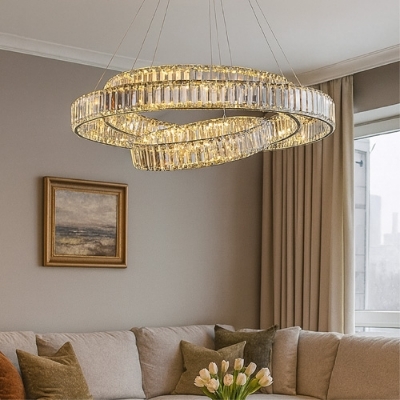
Decorative Lighting
Nestled in the urban heart, the brand's decorative lights offerings transform interiors, making them a top pick for discerning design enthusiasts and a talk among lighting stores.
- 03
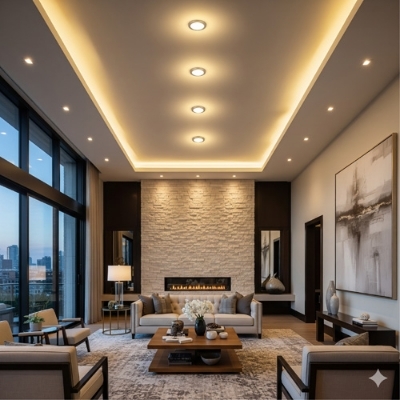
Commercial Indoor Lighting
Businesses aiming for luminous excellence often gravitate towards this renowned brand
- 04
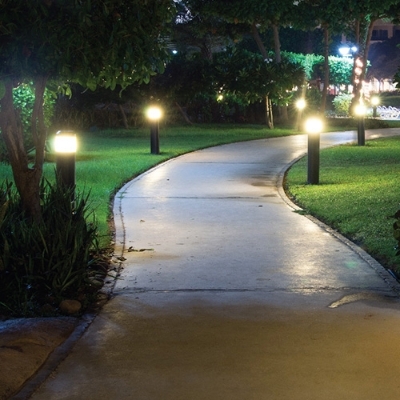
Commercial Outdoor Lighting
The city's iconic landmarks shine even brighter under the soft glow of these outdoor solutions.
- 05
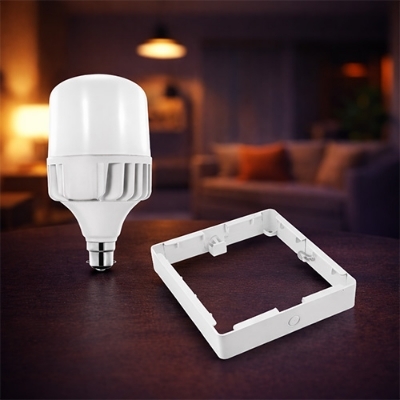
Consumer Lighting
Residents, in their quest for home elegance, often opt for these exquisite fixtures.
- 06
Smart Lighting
Pioneering a new era of tech-infused luminance, the brand's smart lights solutions redefine urban illumination.
Show Why Choose Jaquar For Lighting Solutions?
- Finishes: Every product's finish is a testament of commitment to match the city's opulence.
- Unmatched Warranty: Beyond mere lighting, the promise of up to 5 years of warranty is the reason why it remains a favourite in lighting stores.
- Longer Life: Durability and performance are at the core of every lighting product, ensuring they stand the test of time.
- Versatility: Whether it's illuminating chic cafes or grand ballrooms, their solutions cater to all, seamlessly integrating LED efficiency for modern spaces.
- Wide Range: The brand's extensive offerings reflect the city's diverse aesthetic taste, setting the gold standard for home illumination.
- Jaquar Care: With customer satisfaction at its core, Jaquar lights up countless homes and establishments, making it a standout choice.
LED lighting is often preferred over regular lighting for its efficiency and longevity. For homes, ambient LEDs to mood-setting decorative lights, offer optimal solutions. Moreover, when it comes to the best online lighting store, residents have a myriad of choices. But in a city where the standard is nothing short of extraordinary, Jaquar lighting is the preferred choice for those who desire quality in every gleaming facet.
ShowCan LED lighting harm our eyesight?
- LED lights emit a significant amount of blue light that can disrupt sleeping habits and lead to eye illness over time.
- LED lights do not emit near-infrared radiation, the good radiation which the sun emits.
- The benefits of near-infrared radiation are numerous. It can easily permeate through the skin profoundly and clothes. In addition, the retinal cells are primed to repair and regenerate when this type of light strikes the retina. This is impossible to achieve with LED lights. As a result, they should not be the sole source of light during the day.
- Another issue with LED lights is the significant amount of blue light they emit. In the visible spectrum, blue light has the shortest wavelength. It has been thoroughly investigated and widely acknowledged as hazardous to the eyes.
ShowWill LED lighting harm our eyesight?
- Near-infrared radiation is essential for health, is not produced by LEDs. They create a lot of blue light, which disrupts sleeping habits and can lead to eye illness over time.
- LED lights are cool to the touch, one of its advantages and a contributing factor. LED lights don’t emit Near-infrared radiation. The sun emits this type of radiation, and incandescent and halogen bulbs also release it.
- The benefits of near-infrared heat are numerous. It permeates the skin profoundly and even penetrates garments. The retinal cells are primed to repair and regenerate when this type of light strikes the retina. This is impossible to achieve with LED lights. As a result, they should not be the sole source of light during the day.
- Another issue with LED lights is the significant amount of blue light they emit. In the visible spectrum, blue light has the shortest wavelength. It has been thoroughly investigated and widely acknowledged to be hazardous to the eyes.
ShowWhat LED lighting company should I choose?
- It’s critical that LED lighting saves energy while emitting a pleasant, warm glow. This will not only save you money on power, but it will also help you save money on replacements because they will last longer. Always keep an eye out for LED companies that offer energy-saving lights for a variety of applications.
- LED firms should always offer new and innovative fixtures to increase the aesthetic appeal of that place, whether for home or commercial uses. With Jaquar lighting, you can count on some of the most famous designs to capture your attention.
- Discover a new era of color lighting with LED solutions that may be used in a variety of industries. Keep a lookout for companies that provide a diverse choice of color LEDs that are both energy efficient and inexpensive. Colour LEDs are also available in a variety of forms, allowing them to be used for a variety of purposes.
- An LED company must comprehend the needs of its customers, and site assessments are necessary for this. This allows the business to anticipate the scenario and enables them to provide immediate assistance with appropriate solutions. Jaquar lighting ensures that professional electricians from the area come out to evaluate the location and provide free help.
- Check to see if the LED company you choose offers an LED fixture warranty and maintenance. Highlights Energy is proud of its services, which include a 5-year guarantee and free client maintenance. The recent emergence of LED firms may make it tough to find the correct one for you, but you can cross off your list efficiently with these considerations.
ShowDo LED light fixtures need to be grounded?
- The ground connection is strictly for safety. There should be no current flowing in the ground connection, regardless of the load. Its goal is to keep voltage away from the external components. A small amount of water in the incorrect area might cause a lethal voltage to appear on parts that you can touch.
- If they’re grounded and keeping the external components at zero voltages then the voltage is safely bypassed to the ground. A circuit breaker will trip, or a fuse will blow if enough current flows. However, unless the fixture comes with a metal casing, there is no need or requirement for safe ground. To avoid electrical shock, metal housing will need to be “Safety” grounded.
- When only one LED is used, the voltage is DC, usually extremely low, under 5 volts, and a resistor controls the voltage if the voltage source is more than that required. Multiple LEDs demand more energy controlled by resistors, as in a screw-in replacement for a 60-watt incandescent bulb.
- Now, any fixture that uses LEDs, or a bulb that uses LEDs to replace an incandescent bulb, must be grounded, similarly to the incandescent-bulb-using fixture. If not grounded, these fixtures use 110/120 volts AC power and might cause injury.
A Complete Guide to Choosing Lighting for Every Space
Lighting is an essential part of how a space looks, feels and functions. It influences how people navigate a room, perform everyday activities, experience colours and textures, and interact with the surrounding architecture. A well-planned lighting scheme combines practical illumination with visual balance, allowing different areas to serve their intended purposes without compromising the overall interior design.
When selecting lighting for a home, office, hospitality property or commercial development, it is important to look beyond the appearance of an individual fixture. Brightness, light distribution, colour temperature, mounting position, ceiling height, energy consumption and maintenance requirements all contribute to the final result.
Jaquar's lighting collection includes solutions for different interior and exterior applications, from decorative fixtures to functional lighting options. Understanding the role of each lighting type can help homeowners, architects, interior designers and project teams create coordinated environments suited to their requirements.
1. Understand the Purpose of Lighting Before Choosing Fixtures
A successful lighting plan begins with the activities that take place in a space. A living room used for entertaining, reading and watching television has different requirements from a kitchen worktop, a bedroom or a commercial reception area.
Instead of selecting fixtures based only on appearance, identify the lighting functions that need to be fulfilled.
Ambient Lighting for General Illumination
Ambient lighting provides the overall illumination needed to navigate and use a room. Ceiling-mounted fixtures, recessed lights, suitable panels and other broad-distribution lighting solutions can contribute to this layer.
The objective is to create a comfortable foundation without leaving noticeable dark areas or producing excessive glare. The appropriate arrangement depends on room dimensions, ceiling height, wall finishes, furniture placement and the distribution characteristics of the selected fixtures.
A large room may require several lighting points rather than a single central fixture. In contrast, a compact room may achieve adequate general illumination with a smaller, carefully positioned arrangement.
Task Lighting for Specific Activities
Task lighting directs illumination towards an area where a particular activity takes place. Examples include reading, preparing food, working at a desk, grooming or examining documents.
Table lamps, suitable pendant lights, under-cabinet lighting and appropriately positioned wall fixtures can provide this type of illumination.
Task lighting should be selected according to the activity, the working distance and the direction in which light needs to fall. A desk lamp, for example, should illuminate the work surface without creating distracting reflections on a screen.
Accent Lighting for Visual Emphasis
Accent lighting draws attention to selected objects, architectural details or surfaces. It can be used to highlight artwork, textured walls, shelving, display areas and decorative features.
Spotlights, wall lights and LED strip lighting may be suitable depending on the desired effect.
Accent lighting is most effective when it creates a clear visual hierarchy. If every surface and object receives the same emphasis, the room may lose the contrast that makes selected features stand out.
Decorative Lighting as a Design Element
Decorative lighting combines illumination with the visual character of the fixture itself. Chandeliers, pendants, floor lamps, table lamps and wall lamps can become important elements of an interior.
These fixtures may establish a focal point, reinforce an interior style or introduce a contrasting material or finish.
However, decorative appearance should not replace practical assessment. Consider the light output, glare, mounting requirements and suitability of the fixture for its intended location before making a final selection.
2. Plan Layered Lighting for Better Visual Balance
Layered lighting combines different types of illumination to make a room more adaptable. Instead of expecting one fixture to perform every function, the lighting scheme uses complementary sources to support different activities and visual effects.
Begin with the General Lighting Layer
Identify the primary source of illumination for the room. This might be a ceiling fixture, a series of recessed lights or another suitable general lighting arrangement.
Consider the dimensions of the room and whether light will reach the corners, circulation areas and principal activity zones. Furniture, partitions, dark finishes and decorative features can influence how evenly illumination is distributed.
The goal is to provide a practical foundation before adding secondary lighting.
Add Lighting Around Activity Areas
Once general illumination is planned, identify locations where more focused light may be required. A reading chair may benefit from a floor lamp, while a bedside area may require a table lamp or suitable wall light.
In a kitchen, additional lighting may be needed above work surfaces. In a home office, a desk lamp can supplement the general lighting system.
Each additional fixture should address a specific requirement rather than simply increase the number of light sources.
Introduce Accent Lighting Selectively
Accent lighting can emphasise architectural details or create visual depth. LED strips may highlight a recessed ceiling, shelving or selected furniture edges, while spotlights can draw attention to artwork or display objects.
Use these elements selectively so that the room retains a clear visual hierarchy. The relationship between the brightness of the accent and the surrounding illumination should be considered carefully.
Plan Independent Switching Where Appropriate
Different lighting layers are more useful when they can be controlled independently. Separate switching or compatible dimming systems can allow users to adjust illumination for work, relaxation, entertaining or other activities.
Before specifying controls, confirm that the selected fixtures, drivers, dimmers and control systems are compatible. Not every LED fixture supports every dimming method.
A coordinated control plan can improve flexibility without requiring changes to the main fixture arrangement.
3. Choose the Right Lighting for Each Room
Every room has its own combination of activities, furniture arrangements and visual requirements. Selecting fixtures according to the room's function helps create a more effective lighting scheme.
Living Room Lighting
Living rooms often serve several purposes, including relaxing, entertaining, reading and watching television. A single lighting source may not provide the flexibility needed for all these activities.
Begin with general illumination from suitable ceiling fixtures. Add floor lamps near seating areas or table lamps beside sofas where localised light is useful. Decorative pendants or chandeliers can establish a focal point, provided their size and suspension height suit the room.
Wall lights may introduce another layer of illumination, while LED strip lighting can highlight selected architectural details.
Avoid positioning bright fixtures where they create distracting reflections on television screens or glossy surfaces. Consider the location of seating, windows and reflective finishes before finalising the layout.
Bedroom Lighting
Bedroom lighting should support both practical activities and a comfortable atmosphere. General ceiling illumination can provide light for dressing and everyday tasks, while bedside lamps offer a more localised source for reading or winding down.
Wall-mounted fixtures may be useful when bedside tables have limited surface space. Table lamps can introduce a decorative element, while carefully positioned strip lighting may highlight cabinetry or architectural features.
Consider how each light will be switched on and off from the bed or entrance. If multiple lighting layers are included, independent controls can make the room easier to adapt throughout the day.
The chosen colour temperature should complement the intended atmosphere, while the fixture's brightness should be suitable for its particular function.
Kitchen Lighting
Kitchens require lighting that supports preparation, cooking, cleaning and movement. General illumination should cover circulation areas and reduce shadows across frequently used surfaces.
Worktops may need additional task lighting, especially where overhead cabinets or the user's position could obstruct light from the ceiling.
Pendants can provide decorative emphasis above an island or dining counter when ceiling height and clearances permit. However, their placement should not obstruct movement, interfere with cabinet doors or create glare for people working at the surface.
Select fixtures suitable for the environment in which they will be installed. Areas exposed to moisture, heat or cooking residue may require specific fixture characteristics and more frequent cleaning.
Dining Room Lighting
Lighting above a dining table can define the space and create a visual centre. Pendants and chandeliers are common options, but the appropriate size depends on the table dimensions, ceiling height and surrounding furniture.
A fixture should provide suitable illumination without obstructing views across the table or shining directly into the eyes of seated guests.
Supplementary lighting may help balance the room beyond the dining table. Wall lights or discreet ceiling fixtures can reduce the contrast between the focal area and the surrounding space.
Where dimming is required, confirm compatibility with the complete lighting system before specifying the controls.
Study and Home Office Lighting
A study or home office needs lighting that supports concentration and reduces distracting reflections. General illumination should be balanced with suitable task lighting at the desk.
A table lamp can provide localised illumination, while the direction of light should be considered in relation to the user's dominant hand, monitor position and nearby windows.
Avoid placing bright fixtures where they reflect directly on computer screens. The aim is to create a comfortable visual environment without relying on excessive brightness.
For workspaces used throughout the day, consider how daylight changes over time and whether supplementary lighting is needed during darker periods.
Hallways, Corridors and Staircases
Circulation areas need a clear, consistent lighting arrangement that supports movement between rooms. Ceiling fixtures, recessed lights and suitable wall lights can provide general illumination depending on the architectural layout.
Pay attention to changes in floor level, corners, entrances and stair edges. Lighting should help users understand the route without creating strong glare or abrupt changes in brightness.
In long corridors, the spacing and distribution of fixtures are particularly important. A sequence of carefully positioned lights may produce a more balanced result than concentrating all illumination at one end.
Bathroom Lighting
Bathroom lighting should account for general illumination, grooming activities, moisture exposure and the positioning of mirrors and reflective surfaces.
General ceiling lighting provides the foundation, while appropriate lighting near the mirror can support grooming. The exact fixture type and installation location must be suitable for the relevant bathroom zone and local electrical requirements.
Avoid selecting a fixture based on appearance alone. Check the product's suitability for moisture exposure, the required ingress protection rating where applicable, and the manufacturer's installation instructions.
Explore ceiling lights when considering general lighting for different indoor spaces, and ensure that any bathroom-specific selection is rated for its intended location.
4. Understand Brightness, Wattage and Light Output
Choosing the right brightness is important for both comfort and functionality. One common mistake is comparing lighting fixtures by wattage alone.
Watts and Lumens Measure Different Things
Watts measure the electrical power consumed by a fixture or light source. Lumens measure the amount of visible light produced.
Two fixtures with the same wattage may provide different light outputs because their designs, light sources and optical systems differ. A higher wattage therefore does not automatically mean that a fixture will illuminate a room more effectively.
When comparing products, review the stated lumen output alongside the fixture's light distribution, colour temperature and intended application.
Consider the Size and Use of the Room
The amount of light required depends on the dimensions of the space and the activities taking place within it.
A room used for detailed work may need different illumination from a room primarily used for relaxation. Ceiling height, wall colours, surface reflectance and furniture placement also affect the perceived brightness.
For larger or complex spaces, lighting calculations prepared by a qualified lighting designer can help determine fixture quantity, spacing and output more accurately.
Avoid Excessive Brightness
Increasing the number of fixtures does not always improve the lighting scheme. Excessive brightness or poorly positioned light sources can create glare, harsh shadows and visual discomfort.
A better approach is to distribute light according to the room's needs, using task and accent lighting where they provide a clear benefit.
Dimming can provide flexibility where the fixtures and controls support it, but the system should be specified and tested for compatibility.
5. Select a Suitable Colour Temperature
Colour temperature influences whether light appears warm, neutral or cool. It is commonly expressed in kelvins (K), with lower values generally appearing warmer and higher values appearing cooler.
Warm White Lighting
Warm white light creates a softer, more amber-toned appearance. It is often considered for bedrooms, living rooms, dining areas and hospitality interiors where a relaxed atmosphere is desired.
Warm illumination can complement timber, warm metallic finishes, earthy colours and some traditional interiors.
However, the final effect also depends on the room's materials and the colour temperature of other light sources. Combining noticeably different colour temperatures within one visual area may produce an inconsistent appearance.
Neutral White Lighting
Neutral white light offers a more balanced appearance between warm and cool tones. It may suit kitchens, multipurpose rooms, selected work areas and interiors where accurate visual distinction is important.
The appropriate choice depends on the task and the overall design. A neutral source in one part of a room may appear different when viewed beside a warmer decorative fixture.
Cool White Lighting
Cooler white light creates a crisper visual appearance and may be considered for certain work-oriented or functional environments.
Its suitability depends on the intended application, brightness, surrounding surfaces and the preferences of the people using the space.
Cooler light is not automatically better for visibility, just as warmer light is not automatically more comfortable. Evaluate colour temperature in conjunction with light output, glare and the activity being performed.
Maintain Consistency Between Related Fixtures
Where several fixtures illuminate the same area, using compatible colour temperatures can help create a cohesive appearance.
This is particularly relevant for kitchens, open-plan living spaces, corridors and commercial interiors where multiple lighting sources remain visible at once.
Before purchasing, review the product specifications and, where possible, compare samples under similar conditions to the intended installation.
6. Use Decorative Lighting to Complement Interior Design
Decorative lighting can serve as both a source of illumination and a visible design feature. Its size, shape, finish and material can influence the character of the room even when the fixture is switched off.
Chandeliers as Focal Points
Chandeliers can establish a visual centre in dining rooms, entrance halls, living rooms and other suitable spaces. Their scale should relate to the dimensions of the room and the furniture below.
A fixture that is too large may overwhelm a compact room, while one that is too small may appear disconnected from a spacious interior.
Consider ceiling height, suspension requirements, access for cleaning and the location of other fittings before choosing a chandelier.
Pendant Lights for Defined Areas
Pendants can help visually distinguish an island, dining table, bedside area or selected seating zone. They are available in a range of forms and finishes, allowing them to complement both understated and expressive interiors.
When using multiple pendants, plan the arrangement in relation to the surface beneath them. Consider spacing, alignment, suspension height and the overall balance of the room.
Review decorative lighting for options such as chandeliers, pendants, floor lamps, table lamps and wall lamps.
Floor Lamps for Flexible Illumination
Floor lamps can introduce a secondary source of light without requiring a ceiling installation at the same position. They may be used beside seating, in reading corners or to fill a visually empty area.
Before selecting one, check the lamp's footprint, height, light direction and relationship to nearby furniture. The base should not obstruct circulation, and the lamp should be positioned to reduce glare during reading or conversation.
Table Lamps for Localised Light
Table lamps can provide a convenient source of light on desks, bedside tables, consoles and side tables. Their proportions should suit the furniture on which they sit.
Consider the shade dimensions, the direction of light and the position of the switch. For desk use, the lamp should provide suitable illumination without creating distracting reflections on nearby screens or glossy surfaces.
Wall Lights for Visual Continuity
Wall lights can introduce illumination at a different height from ceiling fixtures. They may highlight architectural details, support circulation or provide supplementary light in bedrooms and living rooms.
Their mounting height and direction should be selected according to the intended function. A decorative wall light may create a soft effect, while a more directional fixture may be useful for highlighting a surface.
7. Use LED Strip Lighting for Architectural Details
LED strip lighting can provide a linear source of illumination along selected architectural features and furniture elements. It is often used to highlight recesses, shelving, cabinetry, coves and other carefully planned details.
Cove and Ceiling Lighting
LED strips installed within suitable ceiling recesses can create indirect illumination that reflects from surrounding surfaces. The resulting effect depends on the recess design, the distance from the reflective surface and the characteristics of the selected strip.
Plan the light source so that it is concealed where intended and that the illuminated surface appears reasonably consistent. Poor positioning may create visible dots, uneven brightness or unwanted shadows.
Cabinet and Shelf Lighting
Strip lighting can introduce illumination beneath cabinets, along shelving or around selected display features.
In kitchens, the design should account for the position of work surfaces, cabinets and the user's normal working position. In living rooms, the same technique may highlight books, decorative objects or recessed shelving.
The strip, driver and installation arrangement must be suitable for the intended location and operating conditions.
Furniture and Display Features
Indirect strip lighting can emphasise the outline of selected furniture or display elements. It may help distinguish a feature wall, media unit or built-in storage area from the surrounding surfaces.
Use restraint to maintain a clear visual hierarchy. Excessive linear lighting can make an interior feel visually busy, particularly when combined with several decorative fixtures.
Explore LED strip lights for options that may suit architectural and furniture-integrated lighting schemes.
8. Plan Lighting for Commercial and Hospitality Environments
Commercial lighting requirements are shaped by the activities performed in the space, the expected operating hours, maintenance arrangements and the experience intended for visitors or staff.
A lighting scheme for an office, hotel lobby, restaurant or retail display should be evaluated against its particular operational requirements rather than treated as a standard residential installation.
Offices and Workplaces
Office lighting should support general visibility, screen-based work, meetings and circulation. Uniformity, glare control and the relationship between artificial lighting and daylight are important considerations.
A lighting designer may assess desk layouts, monitor positions, ceiling heights and daylight exposure to determine an appropriate arrangement.
Meeting rooms may benefit from flexible controls, while circulation areas require consistent illumination to help people move through the building.
Retail and Showrooms
Retail lighting serves both functional and visual purposes. General illumination helps visitors navigate the space, while accent lighting can draw attention to products, displays and selected architectural features.
The lighting should support the appearance of the products being displayed. Excessive glare or inconsistent colour rendering can affect how materials and colours are perceived.
Fixtures should also be positioned with display changes and maintenance access in mind, especially where merchandise layouts are updated regularly.
Hotels and Hospitality Properties
Hotels often combine several lighting environments within one property. Guest rooms, reception areas, corridors, restaurants, meeting spaces and outdoor areas each have distinct requirements.
A coordinated design approach can maintain a consistent visual identity while allowing each area to serve its intended function.
Guest rooms may need separate general, reading and accent lighting. Reception spaces may use decorative fixtures to establish a focal point, while service areas may prioritise practical illumination and straightforward maintenance.
Restaurants and Cafés
Restaurant lighting influences the appearance of the interior, tables, finishes and food presentation. General lighting should provide suitable visibility, while pendants, wall lights and decorative fixtures can help define dining zones.
The brightness and colour temperature should be considered in relation to the desired atmosphere and the restaurant's operating needs.
Fixtures above tables should be positioned so they do not obstruct views or create uncomfortable glare. Cleaning requirements and access for maintenance should also be considered.
Educational and Institutional Buildings
Educational and institutional settings require lighting suited to reading, writing, presentations, circulation and other activities.
Different rooms may need different lighting levels and control arrangements. Classrooms, libraries, laboratories, corridors and shared facilities should be assessed according to their specific uses and applicable project requirements.
The selection process should consider glare, visual comfort, operating schedules and ease of maintaining the installation.
9. Select Outdoor Lighting for the Intended Environment
Outdoor lighting can help define entrances, illuminate pathways, highlight architectural features and support activities around buildings. However, exterior installations face environmental conditions that differ from those found indoors.
Entrance and Porch Lighting
Lighting near entrances should make the approach and doorway easy to identify. The fixture should complement the building's architecture while providing suitable illumination for the area.
Consider the position of the door, nearby walls, roof overhangs and surrounding landscape. Avoid directing light into neighbouring properties or creating unnecessary glare along the approach.
The selected fixture must be suitable for the degree of exposure at the installation point.
Garden and Landscape Lighting
Landscape lighting can highlight trees, planting, pathways, walls and selected garden features. Low-level fixtures, suitable spotlights and other outdoor lighting types can be used according to the layout.
A restrained approach often produces a more balanced result than illuminating every feature equally. Consider how the landscape will appear from inside the building as well as from the outdoor area itself.
Cabling, connections, mounting arrangements and product ratings should be assessed for the specific outdoor conditions.
Façade and Architectural Lighting
Architectural lighting can emphasise building materials, vertical lines, entrances and selected design features.
Before selecting fixtures, determine which parts of the façade should receive emphasis and how the building will be viewed from different positions. Light direction, beam spread, mounting height and surface reflectance all influence the final effect.
For projects involving external illumination, review local planning requirements and any restrictions relating to light spill, neighbouring properties or the surrounding environment.
Outdoor Safety and Weather Suitability
Do not assume that a fixture is suitable for outdoor use simply because its housing appears robust. Review the manufacturer's specifications for the intended installation location, including protection against moisture and dust where relevant.
Electrical installation should follow local regulations and be carried out by a qualified professional. Fixtures should be installed with suitable connections and mounting methods for the environment.
10. Explore Smart Lighting and Control Options
Lighting controls can make a lighting system more adaptable by allowing users to adjust brightness, schedules or selected lighting groups where compatible technology is available.
The correct solution depends on the requirements of the project and the capabilities of the selected fixtures.
Dimming and Scene Settings
Dimming can allow a room to move between brighter and softer illumination levels. This may be useful in living rooms, bedrooms, hospitality spaces and selected meeting areas.
Compatibility must be confirmed across the light source, driver, dimmer and control system. A fixture that is not designed for dimming should not be assumed to work correctly with a dimmer.
Where several lighting layers are installed, scene settings can provide convenient combinations for different activities, provided the system supports them.
Timers and Automated Schedules
Timers and scheduling functions can help control when compatible lighting systems operate. These may be relevant in selected commercial or exterior applications where operating hours follow a predictable pattern.
Before specifying automation, establish which lights need scheduled control and whether manual operation must remain available.
The control system should be appropriate to the building's technical infrastructure and the people responsible for operating it.
App-Based and Connected Lighting
Some lighting systems can integrate with compatible applications or connected control platforms. Available functions vary by product and system.
Confirm the communication method, supported devices, required accessories and installation conditions before selecting a connected solution. Do not assume that every LED fixture can connect directly to a smartphone or smart-home platform.
A clear control plan helps prevent a technically complex system from becoming difficult to use or maintain.
11. Improve Energy Use Through Lighting Design
Energy-conscious lighting begins with selecting appropriate fixtures and using them according to the requirements of the space.
LED lighting is commonly considered for its potential to provide useful light output at relatively low electrical power compared with many traditional light sources. However, actual performance depends on the product, operating conditions and the design of the complete installation.
Compare Products Using Relevant Specifications
When evaluating lighting products, review lumen output, wattage, efficacy where provided, rated service life and any applicable warranty conditions.
These details can help establish whether a fixture suits the intended application. They are more informative than relying on a broad product label alone.
For projects with many fixtures or extended operating hours, comparing expected energy consumption can help inform the selection process.
Avoid Overlighting
Installing more fixtures than necessary can increase energy use without improving the room's usability. A better approach is to distribute light according to the actual activities performed in each area.
Task lighting can supplement general illumination where additional light is needed, while controls may allow unused lighting groups to be switched off independently.
Use Controls Appropriately
Switching, dimming and compatible automated controls can help align lighting use with occupancy and activity.
However, controls should be easy to operate and appropriate to the type of fixture. A system that is too complicated may not deliver its intended practical benefits.
For commercial projects, review operating schedules and maintenance responsibilities as part of the lighting design.
Consider Total Ownership Requirements
The initial cost of a fixture is only one part of the purchasing decision. Energy consumption, maintenance access, replacement requirements and expected operating conditions also influence the overall ownership experience.
Product specifications and warranty terms should be reviewed individually. Avoid assuming that all lighting categories have the same service life or warranty coverage.
12. Understand Colour Rendering and Surface Appearance
Lighting affects how colours and materials appear. A paint finish, fabric, timber surface or decorative object may look different under different light sources.
Colour rendering is therefore an important consideration where visual appearance matters.
Review Colour Rendering Index Information
The Colour Rendering Index, commonly abbreviated as CRI, is one measure used to describe how accurately a light source reveals colours compared with a reference source.
A higher CRI can be beneficial in applications where colour appearance is important, but CRI should not be considered in isolation. Colour temperature, illumination level and the nature of the task also influence the visual result.
For retail displays, artwork, material samples and selected grooming environments, review the product's colour-rendering specifications where available.
Consider the Materials in the Room
Glossy surfaces may reflect bright light sources, while darker materials can absorb more light and influence perceived brightness. Textured walls can create shadows that change the appearance of the surface.
Before finalising the fixture arrangement, consider the combined effect of the lighting, wall finishes, flooring, furniture and decorative objects.
Where the project requires a precise visual outcome, reviewing lighting samples under representative conditions can be useful.
13. Control Glare and Unwanted Shadows
Glare occurs when a bright source or strong contrast causes visual discomfort or makes it harder to see comfortably. It can affect residential rooms, workplaces, retail areas and hospitality spaces.
Position Fixtures Carefully
The placement of a fixture determines how light reaches the user, the work surface and nearby reflective materials.
A light directly within a person's line of sight may be more distracting than a fixture that illuminates the same area indirectly. In offices, reflections on monitors should be considered. In dining areas, fixture height and viewing angles can affect comfort across the table.
Review the room from the positions where people will normally sit, stand or work.
Consider Reflections from Glossy Surfaces
Mirrors, polished stone, glass and glossy cabinetry can reflect bright light sources. These reflections may become distracting if the fixture is positioned poorly.
Adjusting the fixture position, beam direction or lighting layer may help reduce the problem. The solution should preserve the required illumination rather than simply making the entire room darker.
Avoid Harsh Transitions
Strong differences between adjacent bright and dark areas can affect the visual balance of a space. Layered lighting can help distribute illumination more comfortably, particularly in rooms where people move between different activity zones.
Corridors, staircases and transitions between indoor and outdoor areas deserve particular attention because the perceived brightness can change significantly as users move through them.
14. Plan Lighting Installation with Technical Requirements in Mind
Lighting performance depends on more than fixture selection. The installation must be appropriate for the building, the electrical supply and the conditions in which the light will operate.
Check Ceiling Height and Mounting Conditions
The ceiling construction and available mounting space can affect which fixtures are suitable. Recessed fixtures may require adequate ceiling depth, while suspended pendants need sufficient clearance above furniture and circulation routes.
Before ordering, review product dimensions, mounting instructions and any requirements relating to drivers, access panels or ventilation.
For renovation projects, check the existing wiring and ceiling construction before deciding whether a fixture can be installed in the intended position.
Confirm Electrical Compatibility
Verify the required voltage, power rating, driver requirements and control compatibility using the manufacturer's product information.
Electrical work should be carried out by a qualified professional in accordance with applicable local requirements. This is particularly important in bathrooms, outdoor areas and other locations where moisture or environmental exposure may affect installation conditions.
Do not modify a fixture or its electrical components outside the manufacturer's instructions.
Plan Driver and Connection Access
Some LED systems use separate drivers or power supplies. Their location should allow suitable installation and access for maintenance, while meeting the manufacturer's requirements.
For strip lighting and concealed installations, consider where drivers, connectors and wiring will be placed before finishing the ceiling, cabinetry or wall surface.
Planning these details early can reduce the need to remove finished materials during later maintenance.
Coordinate with Other Building Services
Lighting layouts should be coordinated with air-conditioning equipment, sprinklers, smoke detectors, ceiling access panels, structural elements and other services.
This is particularly important in commercial interiors and false-ceiling installations, where several systems may compete for limited space.
Coordination drawings or an installation plan can help identify conflicts before work begins.
15. Maintain Lighting Fixtures for Long-Term Use
Routine inspection and suitable cleaning can help maintain the appearance and functionality of lighting installations.
Clean According to the Product Instructions
Dust and residue can accumulate on exposed surfaces and affect the appearance of a fixture. Cleaning methods should be suitable for the materials, coatings and electrical design of the product.
Before cleaning, switch off the light and follow the manufacturer's safety instructions. Do not apply liquids directly to electrical components or use abrasive materials unless expressly permitted.
Decorative fixtures with multiple elements may require more careful cleaning than simple enclosed fittings.
Inspect for Signs of Damage
Periodically inspect fixtures for visible damage, loose mounting components, discolouration or other changes that may require attention.
If a light flickers, becomes unusually hot, shows electrical damage or behaves inconsistently, arrange an appropriate inspection rather than attempting an unauthorised repair.
For outdoor fixtures, also consider the condition of mounting points, seals and connections in accordance with the manufacturer's maintenance recommendations.
Keep Product and Installation Records
Retain product references, installation details and warranty documentation where available. These records can simplify maintenance and help identify compatible replacement components.
For commercial properties, an asset register can record fixture locations, product details and inspection dates. This can be particularly useful when a building contains many lighting types or when maintenance is handled by different teams.
16. A Practical Checklist for Choosing Lighting
Before finalising a lighting selection, review the following points:
- Purpose: Identify whether each fixture will provide ambient, task, accent or decorative lighting.
- Room dimensions: Consider floor area, ceiling height, furniture layout and surface finishes.
- Brightness: Review lumen output and light distribution rather than relying on wattage alone.
- Colour temperature: Select a suitable warm, neutral or cool appearance for the activity and design.
- Colour rendering: Check CRI information where accurate colour appearance is important.
- Glare control: Assess fixture positions, reflections and normal viewing angles.
- Design coordination: Match fixture scale, form and finish with the interior architecture.
- Energy use: Compare product specifications and consider operating hours and controls.
- Smart features: Confirm compatibility before selecting dimmers, automation or connected controls.
- Installation: Check mounting requirements, wiring, driver access and ceiling construction.
- Environmental suitability: Verify the product's rating for bathroom, outdoor or other specialised locations.
- Maintenance: Consider cleaning access, replacement requirements and available product documentation.
- Project coordination: Check for conflicts with other building services and architectural features.
Reviewing these considerations before purchase can help reduce installation changes and create a more cohesive lighting scheme.
Creating a Coordinated Lighting Scheme with Jaquar
A considered lighting plan brings together technical performance, visual comfort and interior design. The most effective solution is not necessarily the one with the largest number of fixtures or the highest brightness. It is the arrangement that provides appropriate illumination for the activities taking place while complementing the character of the space.
Jaquar's lighting range covers different applications, including decorative fixtures, ceiling lighting, floor lamps, wall lamps and LED strip lighting. These options can be assessed according to room dimensions, design requirements, light distribution, installation conditions and intended use.
For a residential project, the focus may be on creating a flexible combination of general lighting, reading lights and decorative accents. A commercial project may require greater attention to operating schedules, maintenance access, consistent illumination and technical coordination. Outdoor applications introduce additional considerations relating to environmental exposure, installation and light direction.
The best results come from planning the complete lighting scheme rather than selecting each fixture independently. By considering function, brightness, colour temperature, controls, energy use and maintenance together, homeowners, designers and project teams can create lighting environments that are practical, adaptable and visually consistent over time.
FAQs:
| Feature | LED Lights | Normal Lights (Incandescent/Fluorescent) |
|---|---|---|
| Efficiency | Very energy-efficient, up to 80% savings | Consume more power for same brightness |
| Lifespan | 25,000–50,000 hours | 1,000–10,000 hours |
| Durability | Shock-resistant, long-lasting | Fragile, prone to early failure |
| Environmental Impact | Eco-friendly, no mercury | Higher carbon footprint, some use mercury |
| Cost | Higher upfront, lower running costs | Low upfront, higher electricity bills |
LEDs clearly outperform normal lights in efficiency, durability, and eco-friendliness.
- Ambient lighting: Use ceiling-mounted fixtures, recessed lights, or chandeliers to provide uniform illumination across rooms.
- Task lighting: Add focused lighting such as desk lamps, kitchen under-cabinet strips, or vanity lights in bathrooms.
- Accent lighting: Highlight décor with wall sconces, spotlights, or LED strips behind shelves and artwork.
- Layering tip: Combine all three for balance, ensuring dimmers or smart controls for flexible ambience.
- Ambient lighting: general illumination.
- Task lighting: focused, functional light for specific tasks.
- Accent lighting: highlights objects or architectural details.
- Decorative lighting: enhances aesthetics, chandeliers or pendants.
- Architectural lighting: integrates with building design.
- Smart lighting: app or voice-controlled systems.
- LED lighting is the most energy-efficient option for both homes and commercial spaces.
- LEDs convert most energy into light with minimal heat waste, reducing electricity bills significantly.
- Unlike incandescent or halogen bulbs, LEDs require far less power to deliver the same brightness.
- They are also compatible with dimming and smart control systems, further enhancing efficiency by allowing you to adjust light levels as needed.
- For sustainable living, LEDs are the clear choice due to their low consumption, long lifespan, and eco-friendly design.
- LED lights typically last between 25,000 and 50,000 hours, depending on quality and usage.
- This equates to more than 10 years of regular residential use. Their longevity far exceeds traditional bulbs, making them highly cost-effective over time.
- Unlike incandescent lights, LEDs do not burn out suddenly but gradually dim after years of use.
- Their durability, low maintenance, and extended service life make LEDs ideal for both residential and commercial applications, ensuring consistent lighting performance without frequent replacements.
- LED lights are designed for continuous use and can safely stay on for long durations without overheating.
- Many high-quality LEDs run 24/7 in commercial applications like signage or street lighting.
- Unlike traditional bulbs, they produce minimal heat, which extends their life and ensures efficiency.
- For home use, leaving LEDs on overnight or throughout the day is safe, though switching them off when not needed conserves energy and maximises lifespan.
- Proper fixtures and ventilation ensure they maintain performance even with extended operation.