


We use cookies to deliver the best possible experience on our website. By continuing to use this site, or closing this box, you consent to our use of cookies.

Chandeliers
Filters
Sort by


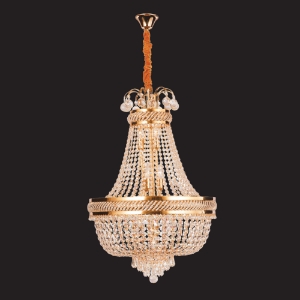

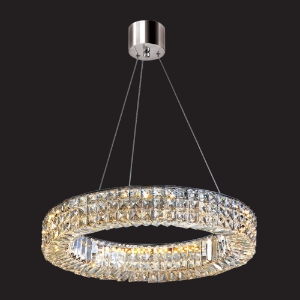
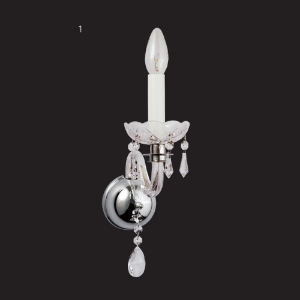

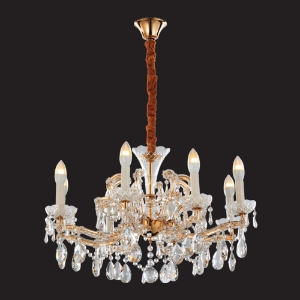
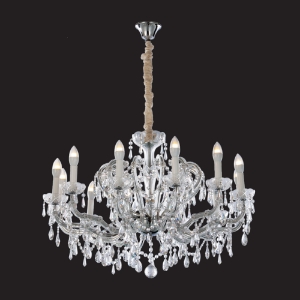
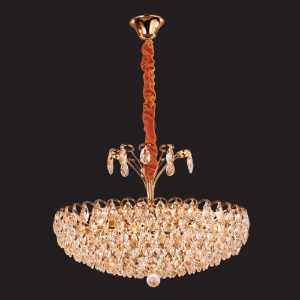
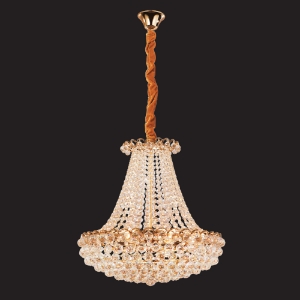

Modern Chandeliers Light
A chandelier light is a decorative ceiling fixture designed to create visual impact while providing ambient illumination. Available in contemporary and classic styles, chandeliers enhance interiors with layered lighting, balanced brightness, and elegant design, making them ideal for living areas, dining spaces, and statement ceilings.
In the world of luxury, Jaquar is a global brand known for its modern lighting solutions that are all about good quality and design. Likewise, a chandelier is a decorative lighting fixture suspended from the ceiling, introducing elegance and style to interior design in many shapes, sizes, styles, and colors. Transform your space with designer modern chandeliers, hanging chandelier, and ceiling chandelier for living room.
Choosing the Right Chandelier for Your Interior
Selecting a chandelier involves balancing its visual proportions, light output and relationship with the surrounding interior. The right fixture should complement the room's architecture while providing illumination appropriate to the space. Room dimensions, ceiling height, furniture placement and the chandelier's design all contribute to the final result.
Chandelier Size and Room Proportions
The size of a chandelier should be considered in relation to the room rather than selected in isolation. A large fixture can create a strong focal point in a spacious interior, while a compact design may be more suitable for a smaller room or a carefully defined seating area.
Consider the length and width of the room, the height of the ceiling and the dimensions of the furniture beneath the fixture. A chandelier that is too small may lack visual presence, whereas an oversized design can dominate the room and interfere with its overall balance.
The fixture's diameter, height and suspension length should all be checked before selection. Where the chandelier includes multiple arms, tiers or decorative elements, consider its complete dimensions rather than the size of the central body alone.
Ceiling Height and Suspension Length
Ceiling height influences which chandelier designs are suitable for a space. Rooms with higher ceilings can accommodate fixtures with a greater vertical presence, including multi-tiered designs and longer suspension arrangements. In rooms with lower ceilings, a more compact fixture may help preserve a sense of openness and provide suitable clearance.
The total installed height is particularly important in circulation areas and above furniture. In a dining area, the chandelier should relate comfortably to the table without obstructing sightlines. In an entrance or living area, its position should allow people to move freely beneath it.
Check whether the selected model uses an adjustable chain, a stem or another suspension system. The available adjustment depends on the product's construction, so the installation height should be confirmed before the fixture is fitted.
Chandelier Placement in Different Rooms
A chandelier can serve different purposes depending on where it is installed. Its placement should reflect the room's layout, the activities carried out there and the other lighting sources available.
- Living rooms: A chandelier can establish a central visual feature and contribute to general illumination. Consider its relationship with seating arrangements, ceiling features and other decorative elements.
- Dining areas: Positioning a chandelier in relation to the dining table creates a visual connection between the fixture and the furniture. The shape and dimensions of both elements should work together.
- Entrance halls and foyers: A chandelier can help define the entrance to a home or building. Ceiling height, visibility from adjoining rooms and the available clearance are important considerations.
- Bedrooms: A carefully proportioned chandelier can add character without overwhelming the room. Consider its visual weight, light distribution and relationship with bedside lighting.
- Staircases and double-height spaces: A vertically extended chandelier can complement the height of the space. Installation requires careful planning to ensure suitable clearance and safe access for future maintenance.
- Hospitality and commercial interiors: Chandeliers can establish a distinctive atmosphere in reception areas, dining spaces and other suitable interiors. The fixture should be selected according to the room's scale, lighting requirements and installation conditions.
For spaces that need a different decorative lighting effect, explore Jaquar's pendant lights, which offer an alternative for focused illumination above selected areas.
Chandelier Designs for Different Interior Styles
A chandelier contributes to the overall character of a room through its silhouette, materials, decorative details and finish. Choosing a design that complements the interior creates a more coordinated appearance.
Contemporary and Minimalist Chandeliers
Contemporary chandeliers often use clean lines, geometric forms and carefully arranged light sources. Their visual character can range from simple, understated designs to sculptural fixtures that create a distinctive focal point.
Minimalist designs can suit interiors where furniture, materials and architectural details already provide visual interest. A restrained silhouette may also help maintain a balanced appearance in smaller spaces.
When comparing contemporary chandeliers, look at the fixture's overall shape, the direction of its light and the visibility of its light sources. A simple form can still have a strong visual presence when its proportions and materials are carefully considered.
Crystal and Decorative Chandeliers
Crystal chandeliers use reflective elements to create highlights and visual depth. Their appearance changes with the position of the light sources and the surrounding surfaces, making them suitable for interiors where decorative detail is an important consideration.
The arrangement of the crystals, the structure of the frame and the overall dimensions influence the final effect. Larger designs can become a prominent architectural feature, while smaller crystal fixtures can introduce decorative detail without dominating the room.
Sculptural and Geometric Designs
Sculptural chandeliers use distinctive forms to create visual interest even when the light is switched off. Geometric arrangements, curved structures and asymmetrical compositions can complement contemporary interiors and provide a focal point above a table or within an open-plan room.
The fixture should work with the surrounding architecture rather than compete with every other feature. Consider the relationship between its shape, the furniture below it and the lines of the room.
Explore the wider Jaquar decorative lighting collection to compare chandeliers with other decorative fixtures and coordinate the lighting scheme across different areas.
Understanding Chandelier Light Output and Colour Temperature
A chandelier's appearance is important, but its lighting performance should also be considered. The number of light sources, their wattage, the fixture's design and the direction in which light is distributed all influence how the chandelier performs in a room.
Brightness and Wattage
Wattage indicates the electrical power consumed by a light source; it does not directly describe how bright the light will appear. For LED lighting, luminous output, usually expressed in lumens, is a more useful measure when comparing brightness.
The appropriate output depends on the size of the room, the chandelier's purpose and the other light sources in the space. A decorative chandelier may primarily establish atmosphere, while a fixture intended to provide a larger share of the room's general illumination needs to be assessed for its practical light output.
Review the product's stated wattage, light-source configuration and available technical information before making a selection. Where the specification provides luminous flux or other performance data, use these details to understand the fixture's lighting capabilities.
Warm, Neutral and Cool Light
Colour temperature affects how the light appears and how it interacts with interior materials. It is commonly measured in kelvins (K).
- Warm white: Creates a warmer visual atmosphere and can complement wood, warm metallic finishes and softer interior palettes.
- Neutral white: Offers a more balanced appearance that may suit a variety of contemporary interiors.
- Cool white: Produces a cooler visual tone that can work in settings where a brighter, cooler appearance is preferred.
The most suitable colour temperature depends on the room's design, the intended atmosphere and the other lighting installed nearby. Check the stated colour temperature of the selected chandelier rather than assuming it can be changed after installation.
Dimmability and Lighting Control
Dimmable lighting can provide flexibility when the fixture and its light source are designed to support it. Lower light levels may suit relaxed settings, while brighter illumination can be useful for activities that require greater visibility.
However, not every LED chandelier is compatible with every dimmer or control system. Dimmability depends on the specific product, driver and control equipment. Confirm compatibility in the technical documentation before installation, particularly when integrating a chandelier into an existing lighting control system.
Creating a Balanced Lighting Scheme
A chandelier can make an important contribution to a room's lighting, but it does not always need to provide all the illumination. Combining different types of light helps create a more flexible environment for everyday activities and different occasions.
Ambient Lighting
Ambient lighting provides the general illumination needed to move through and use a space. Depending on the room and the chandelier's output, the fixture may contribute substantially to this layer or act as one of several sources.
The overall lighting scheme should account for the room's dimensions, surface colours and natural light. Darker finishes may absorb more light visually, while reflective surfaces can alter the way illumination is distributed.
Task Lighting
Task lighting provides more focused illumination for specific activities, such as reading, preparing food or working at a desk. A chandelier is not always positioned to provide this type of lighting directly, so additional fixtures may be necessary.
For example, table lamps or other suitable task lights can supplement the general illumination in a living room or study. Explore Jaquar's table lamps for lighting that can be positioned close to seating, work surfaces or selected decorative objects.
Accent Lighting
Accent lighting draws attention to particular features, such as artwork, architectural details or display areas. It can complement a chandelier by adding depth to the room and preventing the main ceiling fixture from becoming the only point of visual interest.
Jaquar's wall lamps can provide another layer of illumination, depending on their design and light distribution. Combining ceiling and wall-mounted fixtures helps create a more considered lighting arrangement when each light has a clear purpose.
Materials, Finishes and Interior Coordination
The material and finish of a chandelier influence how it relates to the room's furniture, fittings and architectural details. Metallic finishes can introduce contrast or continuity, while glass and crystal elements can add reflection and visual texture.
Gold and brass finishes can complement warm colour palettes and natural materials. Chrome and silver-toned finishes may work well with cooler palettes and contemporary detailing, while black can create a defined contrast against lighter ceilings and walls.
These are design considerations rather than fixed rules. The most suitable finish depends on the combination of materials, colours and textures within the space.
Coordinate Finishes Across the Room
A chandelier does not need to match every other fitting exactly. Instead, consider whether its finish complements the wider interior scheme. Repeating a selected finish in a few carefully chosen details can create continuity, while contrasting finishes can help the chandelier stand out.
Also consider the visual weight of the fixture. A highly decorative chandelier may work best when surrounded by relatively restrained furnishings, whereas a simpler fixture can complement a room with more elaborate materials or patterns.
Consider Materials and Construction
The frame, decorative elements and light-source arrangement contribute to a chandelier's appearance and maintenance requirements. Metal structures, glass components and crystal details may each require different cleaning methods.
Review the material information provided for the individual product. This is particularly important where the fixture includes delicate decorative elements or specialised finishes that need specific care.
Installation and Long-Term Care
Chandeliers should be selected with the practical requirements of installation and maintenance in mind. Their weight, dimensions, suspension arrangement and electrical specifications all affect how they should be fitted.
Ceiling Support and Electrical Connections
Before installation, confirm that the ceiling structure and mounting system are suitable for the weight and design of the selected fixture. A chandelier should not be supported by an electrical connection or an unsuitable fixing.
Installation should be carried out by a qualified professional who can verify the mounting arrangements, electrical connections and any required structural support. Follow the manufacturer's instructions and applicable safety requirements.
Where a chandelier is intended for a high ceiling or staircase, plan how the fixture will be accessed for cleaning, inspection and servicing. Difficult access can make routine maintenance more complicated.
Cleaning and Maintenance
Regular dust removal helps preserve the appearance of the chandelier and its decorative elements. The appropriate cleaning method depends on the materials, finish and construction of the fixture.
Switch off the power and allow the light to cool before carrying out routine cleaning. Use a suitable soft cloth or cleaning tool, and avoid abrasive materials or unapproved chemicals that may damage plated finishes, coatings, glass or crystal components.
Do not rotate or twist a suspended chandelier while cleaning it, as this may place stress on the suspension or electrical connections. Instead, arrange safe access around the fixture and follow the manufacturer's care instructions.
For high, heavy or complex chandeliers, use a qualified professional when cleaning or servicing requires specialist access. Any electrical repair, component replacement or adjustment to the suspension system should be undertaken by an appropriately qualified person.
Explore the Jaquar Chandelier Collection
A well-chosen chandelier combines visual character with lighting performance and practical suitability. Room proportions, ceiling height, placement, light output, colour temperature and finish all help determine whether a fixture will work effectively within an interior.
Jaquar's chandelier collection includes designs for different aesthetic preferences and spatial requirements. Compare the available dimensions, materials, light-source details and technical specifications to identify a fixture that complements your space.
For more guidance on evaluating designs, proportions and placement, read Jaquar's chandelier buying guide. You can also explore the broader Jaquar lighting collection to consider complementary fixtures for a coordinated lighting scheme.
Review the product information and installation requirements before finalising your selection. The right chandelier should complement the interior, provide illumination appropriate to its intended role and integrate safely with the surrounding space.
LED Chandeliers Color Finishes
One of the most important aspects of choosing a chandelier is the color finish of the LED lights. LED chandeliers are energy-efficient, eco-friendly, and long-lasting light sources that can enhance the beauty and ambience of any space. The color finishes can range from Antique Bronze, Black, Brass, Bronze, Chrome, Gold, Silver, to SK Gold, depending on the mood and atmosphere you want to create. Some of the popular color finishes for LED chandelier light include:
- 01
Gold
Adding a touch of luxury and glamour to your room, gold reflects light and creates a warm and cosy glow. Gold LED chandeliers are ideal for living rooms, dining rooms, bedrooms, and hallways.
- 02
Chrome
Sleek and modern, chrome complements any contemporary decor with their shiny and reflective surface, creating a cool and crisp light. They are perfect for kitchens, bathrooms, offices, and studios
- 03
Black
Bold and dramatic, black makes a statement in any room. With a matte and smooth surface that absorbs light, they create a striking contrast with the surroundings. Black LED chandeliers are suitable for bedrooms, lounges, bars, and theaters.
Whether you're redesigning a space or simply updating your lighting, discover a portfolio that satisfies even the most discerning tastes.
Planning a Chandelier Around Your Interior Layout
A chandelier is most effective when it is considered as part of the complete interior layout rather than as an isolated decorative object. Its position can influence how people perceive the room, how furniture arrangements feel connected and how the ceiling relates to the rest of the architecture. Before selecting a fixture, consider the way the space is organised and the visual experience you want to create.
Define the Room's Visual Centre
The centre of a room is not always the centre of its ceiling. In a living area, the primary seating arrangement may establish the main focal point. In a dining room, the dining table usually provides a more useful reference. An entrance hall may be organised around a console, a staircase or a prominent architectural feature.
Aligning a chandelier with the relevant feature creates a stronger relationship between the light and the space. For example, a chandelier positioned above the centre of a dining table can visually connect the furniture with the ceiling. In an open-plan living and dining area, positioning the fixture in relation to the dining table rather than the entire floor area can help distinguish the dining zone.
This approach is particularly valuable in interiors where several activities share one room. Instead of placing a decorative ceiling light wherever an electrical connection happens to be available, establish the intended focal point first and coordinate the lighting plan accordingly.
Plan for Sightlines and Movement
A chandelier should remain visually appealing from different positions within the room. Consider how it appears when entering the space, sitting on a sofa, standing near a dining table or viewing the interior from an adjoining room. The fixture should complement these sightlines rather than interrupt them.
Movement is equally important. A chandelier above a frequently used walkway, for example, needs a suitable installation height and enough clearance. In rooms with large furniture, check whether the fixture aligns naturally with the arrangement below it. Where the interior includes doors, tall storage units or movable partitions, account for their position before finalising the installation.
For open-plan interiors, evaluate the chandelier from several angles. A design that looks balanced from directly underneath may appear too visually dominant from a nearby kitchen or entrance. Reviewing the fixture in relation to the entire space helps create a more consistent result.
Chandeliers in Open-Plan and Multi-Functional Interiors
Open-plan homes and contemporary commercial interiors often combine several functions within a single visual environment. A living area may connect directly to a dining space, while a reception area may lead into a lounge or waiting zone. Chandeliers can help establish distinct visual identities within these connected spaces.
Create Defined Zones Without Physical Dividers
A chandelier can act as a visual marker above a specific furniture arrangement. In a combined living and dining room, for instance, a decorative fixture above the dining table can distinguish that area without requiring a partition. The surrounding furniture, floor finishes and complementary lighting can reinforce the separation.
The key is to create distinction without making the overall interior feel disconnected. Choose fixtures that share a design characteristic, such as a related finish, similar geometry or a complementary material palette. They do not need to be identical. A statement chandelier in one zone can work alongside simpler lighting in another when both follow a consistent design direction.
Additional fixtures can provide the flexibility that a single central light cannot. Explore pendant lights for selected areas where a suspended fixture can help define a worktop, table or seating arrangement. The final combination should reflect the room's dimensions and the intended use of each zone.
Coordinate Lighting Across Connected Rooms
In homes with open doorways or uninterrupted views between rooms, lighting fixtures contribute to the visual continuity of the interior. A highly ornate chandelier may create an effective focal point in one area, while a more restrained fixture in the adjoining room keeps the overall composition balanced.
Consider the finishes and forms visible from each viewpoint. Gold-toned details, dark frames or reflective surfaces can be repeated selectively to create a relationship between fixtures. Repeating every feature is rarely necessary; a shared material or complementary silhouette may be enough.
Also consider how the fixtures appear when illuminated at the same time. Differences in colour temperature, brightness and light distribution can make adjacent spaces feel disconnected. Reviewing the specifications of all planned fixtures together helps establish a more coherent lighting scheme.
Understanding Light Distribution and Visual Comfort
A chandelier's design influences more than its decorative appearance. The arrangement of its light sources, shades, reflective elements and structural components affects where light travels and how it is perceived throughout the room.
Direct, Indirect and Diffused Illumination
Some chandeliers direct a greater proportion of their light downwards, while others distribute light upwards, outwards or in several directions. The result depends on the construction of the fixture and the position of its light sources.
Downward-directed illumination can be useful when the chandelier is positioned above a specific area. Upward-directed light can draw attention to the ceiling and may contribute to a more expansive visual effect, depending on the ceiling finish and the fixture's output. Designs with exposed light sources can create a different visual experience from fixtures that use shades or diffusing elements.
When comparing a decorative ceiling light, look beyond the overall shape. Consider whether the light is directed towards the floor, reflected from nearby surfaces or spread more evenly around the fixture. These differences influence the relationship between the chandelier and the room's furniture, walls and ceiling.
Reduce Unwanted Glare
Glare can occur when a light source is excessively bright in the field of view or creates uncomfortable contrast with its surroundings. This is particularly relevant when a chandelier has exposed lamps or reflective components that remain visible from seating positions.
Consider the viewing angle from sofas, dining chairs and other frequently used areas. A fixture that looks attractive from below may appear uncomfortable when viewed horizontally from a seated position. The visibility of individual light sources, the use of diffusing elements and the direction of illumination can all affect visual comfort.
Highly reflective surfaces may also produce noticeable highlights. Glass tabletops, polished stone, mirrors and glossy finishes can reflect light sources into the field of view. A balanced arrangement of ambient, task and accent lighting can help reduce the need to rely on a single bright fixture.
Consider Shadows and Contrast
A chandelier may create distinct shadows depending on the spacing of its light sources and the shape of its frame. Intricate structures can cast patterns across ceilings and walls, adding visual character. However, pronounced shadows may not suit every setting, particularly where even illumination is important.
Think about the intended use of the room before choosing a fixture with a highly patterned light effect. In a reception area or formal dining space, decorative shadows may contribute to the atmosphere. In a room used for reading, detailed work or other visually demanding activities, supplementary lighting may be needed to maintain suitable visibility.
The surrounding finishes influence the result as well. Pale surfaces generally reflect more light than darker surfaces, while textured materials can create more varied shadow patterns. Considering these relationships helps set realistic expectations for the installed chandelier.
Integrating a Chandelier with Architectural Features
A well-selected chandelier can strengthen the visual character of an interior by responding to its architectural details. Ceiling profiles, beams, wall panelling, columns and decorative mouldings all influence how a suspended fixture is perceived.
Work with Ceiling Details
A chandelier installed beneath a plain ceiling may become the room's principal decorative feature. In a space with elaborate ceiling detailing, it needs to work alongside the existing design rather than compete with it.
For a ceiling with a central decorative feature, consider whether the chandelier should align with that feature or provide a deliberate contrast. The mounting point, canopy dimensions and suspension arrangement should be assessed in relation to the ceiling's geometry.
False ceilings and recessed lighting layouts require particular coordination. Before installation, confirm that the chandelier's mounting position does not conflict with concealed services, ceiling framing or other installed equipment. The design of the ceiling should support the fixture both visually and structurally.
Balance Chandeliers with Artwork and Decorative Objects
Large artwork, sculptural furniture and prominent decorative objects can compete for attention with a statement chandelier. This does not mean that the room must contain only one focal point. Instead, establish a clear hierarchy so that the principal elements complement one another.
For example, a chandelier with a complex silhouette may be paired with simpler wall décor and furniture profiles. A more understated ceiling fixture may work well in an interior where artwork or textured wall finishes already provide substantial visual interest.
Reflective objects deserve additional consideration because they can repeat or amplify the appearance of the light source. Review the chandelier's position in relation to mirrors, glass partitions and polished surfaces. Small adjustments to placement or the lighting arrangement may improve the visual balance of the entire room.
Use Repetition and Rhythm Thoughtfully
Some interiors benefit from repeated forms, especially where the architecture includes a long dining table, an extended corridor or a sequence of connected spaces. Repetition can establish rhythm and make the lighting feel intentional.
However, several chandeliers should not be selected solely because they share the same design. Their scale, spacing and relationship with the furniture are equally important. Multiple fixtures may be appropriate in a large interior, while a single statement piece may create a cleaner result in a smaller room.
Where more than one chandelier is planned, review the complete composition before installation. Consider how the fixtures align with the furniture, how much ceiling space they occupy and whether their decorative details create too much visual repetition.
Selecting Chandelier Finishes for a Cohesive Interior
The finish of a chandelier can connect the ceiling with the other materials in a room. Rather than treating the finish as an isolated colour choice, assess it alongside furniture hardware, door handles, cabinet details, wall finishes and other visible fittings.
Gold, Chrome and Dark Finishes
Gold finishes can introduce warmth and visual emphasis, particularly when used with timber, cream, beige or other warm-toned materials. They may also create a deliberate contrast against darker surfaces. The final appearance depends on the specific finish, surrounding colours and lighting conditions.
Chrome and other silver-toned finishes can complement interiors with cooler palettes, glass elements and contemporary detailing. Their reflective quality may make them more visually prominent under certain lighting conditions, so consider how they interact with nearby surfaces.
Black finishes can create a defined outline against a light ceiling or provide continuity with dark furniture and architectural accents. In a room with several dark elements, a black chandelier may integrate into the broader scheme. Against a simpler background, it can become a distinct focal point.
These are design possibilities rather than strict rules. A successful combination depends on the complete interior, and contrasting finishes can work just as effectively as matching ones when the composition is deliberate.
Coordinate Metals Without Making Everything Identical
A room may contain several metal finishes across lighting, furniture and architectural hardware. These finishes do not have to match exactly. A consistent design language can be created through related tones, repeated details or a deliberate contrast between warm and cool materials.
For example, a gold chandelier may sit comfortably in a room with neutral furniture and a few darker accents. A chrome fixture can work alongside other metallic details when the surrounding colours and textures provide continuity. The aim is to establish a relationship between the materials, not to make every fitting identical.
Before finalising the chandelier, review samples or product images alongside the room's existing finishes wherever possible. Screen images and ambient lighting can influence how colours appear, so physical samples may provide a more reliable basis for coordination.
Choosing a Chandelier for Hospitality and Commercial Spaces
Chandeliers can contribute to the identity of hospitality and commercial interiors, including hotel reception areas, restaurants, lounges, meeting spaces and selected retail environments. In these settings, the fixture needs to support the design concept while meeting the practical requirements of the space.
Reception Areas and Waiting Lounges
A reception area often provides the first visual impression of a building. A chandelier can help define the entrance, reinforce the interior design language and establish a recognisable focal point.
The selection should account for the scale of the reception desk, the height of the ceiling and the amount of natural light available. The fixture should complement signage, furniture and circulation routes without obstructing movement or important sightlines.
Where the reception space connects to a waiting lounge, consider how the chandelier works with the surrounding lighting. Additional wall-mounted or freestanding fixtures may provide local illumination and help the space remain visually comfortable beyond the area directly beneath the main light.
Restaurants and Dining Environments
In dining spaces, lighting contributes to the way tables, finishes and decorative details are perceived. A chandelier positioned in relation to a dining table can help establish a more intimate visual zone within a larger interior.
The number and arrangement of fixtures should be considered alongside the table layout. A long table may require a different lighting composition from a compact round table. The fixture's light distribution, suspension height and visual scale should all support the intended atmosphere.
Commercial spaces also need practical planning for cleaning, maintenance and replacement. Before choosing a complex decorative fixture, consider how it will be accessed and serviced during the life of the installation. Maintenance requirements should be assessed alongside the design rather than after the fixture has been installed.
Design Consistency Across a Property
Hotels, restaurants and multi-room commercial projects often need a consistent visual identity across several spaces. This does not require identical chandeliers everywhere. Instead, related finishes, shapes or materials can establish continuity while allowing each room to respond to its own function.
A prominent chandelier may suit a main reception area, while smaller or simpler fixtures may be more appropriate in adjoining lounges or private dining rooms. Supporting fixtures should maintain the broader design direction without creating unnecessary repetition.
For larger projects, coordinate the decorative lighting schedule with the interior design, electrical plan and maintenance requirements. Confirming the relevant product specifications early can help reduce conflicts between the lighting concept and the practical demands of the building.
Bringing Chandeliers Together with Other Lighting Types
A chandelier rarely needs to perform every lighting function in a room. Combining it with complementary fixtures creates a more adaptable arrangement and helps different areas serve their intended purposes.
Add Localised Illumination Where Needed
A ceiling chandelier may establish the general character of a room, but certain activities benefit from light positioned closer to the user. Reading, working at a desk or illuminating a side table may require a more localised source.
Floor lamps can provide an additional lighting layer beside seating or in a selected corner. Their position can be adjusted to suit the furniture arrangement, subject to the design of the fixture and the availability of a suitable power connection.
Table lamps can serve a similar purpose on desks, bedside tables and consoles. Wall lamps may provide supplementary illumination where wall-mounted lighting is appropriate. The choice should reflect the intended task, available space and relationship with the chandelier.
Create Flexibility for Different Occasions
A room may be used for several activities throughout the day. A living room can serve as a place to read, entertain guests or relax, while a dining space may be used for everyday meals and larger gatherings.
A layered lighting arrangement provides more flexibility than relying on one ceiling fixture alone. Where separate controls are available, different light sources can be operated according to the activity. Dimming can also be useful, but compatibility must be confirmed for the specific chandelier, light source, driver and control equipment.
Planning these requirements before installation helps avoid situations where a decorative fixture is expected to provide a type of illumination for which it was not designed.
Practical Checks Before Finalising Your Chandelier
A considered selection process helps ensure that the chosen chandelier suits the room visually and can be installed according to the manufacturer's requirements. Before confirming a model, review the product information and the conditions at the intended installation point.
Verify the Product Specifications
Check the fixture's complete dimensions, weight, mounting requirements and suspension arrangement. For larger or multi-tiered designs, make sure the overall dimensions include the decorative components and the full installed height.
Review the electrical specifications and the details of the light source. Where relevant, confirm the colour temperature, luminous output, wattage and dimming compatibility from the product documentation. Do not assume that a fixture supports a particular control method or light-source replacement unless this is explicitly stated.
The mounting arrangement should also be suitable for the ceiling structure. If the interior includes a suspended ceiling, decorative ceiling panels or concealed services, the installer should assess the supporting structure before work begins.
Consider Access for Cleaning and Servicing
A chandelier's maintenance needs can vary according to its size, construction and decorative detail. Fixtures with multiple components or intricate surfaces may require more careful cleaning than simpler designs.
Think about how the fixture will be reached after installation. High ceilings, stairwells and spaces above fixed furniture can make access more complicated. If specialist equipment or professional assistance may be required, include that consideration in the selection process.
Always follow the product's care instructions. Turn off the power before cleaning, allow the fixture to cool and use cleaning materials suitable for its finish and construction. Electrical repairs, changes to the mounting system and work at difficult heights should be handled by appropriately qualified professionals.
Review the Complete Lighting Plan
Before installation, consider the chandelier alongside every other planned light source. Confirm the position of electrical points, switching arrangements, ceiling details and furniture. Check whether the fixture's light distribution is appropriate for its intended role and whether additional lighting is required for specific tasks.
Where several fixtures will operate in the same space, review their combined appearance and colour temperature. The goal is not simply to add more light, but to establish a balanced arrangement that responds to the room's use and visual character.
Explore Chandelier Designs with Jaquar
Choosing a chandelier involves more than finding a decorative fixture that matches a preferred style. Placement, architectural context, light distribution, finish, installation conditions and maintenance all influence how well the fixture works within an interior.
Jaquar offers chandelier designs that can be evaluated according to different interior concepts and spatial requirements. Compare the available product dimensions, finishes and technical details to understand how each option may suit your planned installation.
For a coordinated result, consider the chandelier alongside other decorative lighting options and the wider lighting arrangement in the room. A carefully selected fixture can establish a focal point, complement the surrounding materials and contribute to a considered interior lighting scheme.
Review the individual product specifications before making a final selection, and ensure that installation is planned around the requirements of the fixture and the building. This approach helps bring together decorative appeal, practical illumination and a cohesive design.
Why Choose Jaquar For Chandelier LED Lights?
Jaquar is a global brand for bathware solutions that also offers a wide range of high-quality and stylish chandelier LED lights for your home and office. Here are some of the reasons why you should choose Jaquar for chandelier LED lights:
- 01
Finishes
Jaquar offers a variety of LED chandelier colour finishes to match your decor and preference. Whether you want a classic gold, a modern chrome, or a dramatic black, Jaquar has it all. You can also choose from different shapes and sizes of LED chandeliers to fit your space and budget.
- 02
Unmatched Warranty
Jaquar provides an unmatched warranty of 10 years for its LED chandeliers, which is a testament to its quality and durability. You can enjoy the beauty and performance of your LED chandeliers without any worries or hassles.
- 03
Longer Life
Jaquar’s LED chandeliers have a longer life span than conventional chandeliers, as they consume less power and generate less heat.
- 04
Jaquar Care
Jaquar Care is an excellent after-sales service and support line that you can reach out to for any queries or issues regarding your LED chandeliers, and they will assist you promptly and professionally.
Finding the ideal light fixture can take a long time. You may need to take matters into your own hands and create a custom chandelier appropriate for your home. Jaquar makes your search more accessible by providing everything you need to select the proper fixture, as well as virtually limitless color combinations and configurations. You can get customized chandelier lights as per your requirements.
The concealed lights chandeliers come in various patterns that are ideal for a variety of room settings. For example, all of our chandeliers are attractively layered, arranged in an asymmetrical design. In addition, Jaquar offers chandeliers in golden and brass colors to give your decor that royal touch.
A simple technique to figure out the size of a concealed light chandelier is to calculate the room's dimensions in feet and then convert the result to inches. The diameter of the fixture should be equal to the answer in inches. So, if your space is 10' by 14', the fixture’s diameter should be around 24".
Even without an elaborate false ceiling, you can hang Concealed Lights Chandeliers, pendant lights, and LED strips on the ceiling. On the other hand, it aids in the addition of ambient lighting such as cove lights and recessed lights.
- Sirius– In this stunning Chandelier, a spectacular path of dazzling crystals adorns an inverted lotus. The glitzy route resembles an otherworldly waterfall glistening like a thousand jewels.
- Lancia- Lancia is made of brass and resembles an antique warrior’s uncompromising shield. This flawless creation is made up of a conspicuous crystal in the center and rings of smaller stones surrounding it.
- Nobel- Nobella achieves the extraordinary accomplishment of projecting a modest design at heart, despite being adorned with the rich Asfour gems from head to toe.
- Grapevine- The Grapevine Chandelier lights the interiors with the brilliance of stars, just as the sun shines a thousand stars in a growing grapevine. This Chandelier makes a bold statement with its modest style and overwhelming grandeur.
- Honeycomb- As the name implies, the Honeycomb-inspired structure of this Chandelier is an innovative design that not only conceals the light source but also creates a fascinating reflection pattern that transforms each crystal into a brilliant source of light!
- Digest- This exquisite masterpiece is lovely and incredibly modern, with gorgeous waves of glittering gems weaved together. Digest radiates perfection from every page, holding your attention and being amazed by its otherworldly beauty.
Concealed light chandeliers are not only a beautiful chandelier for home decor, but their ornate design also works well in banquet halls and other public spaces. The light is encased in lovely crystal shapes, which creates a beautiful reflected light. When it comes to chandeliers, concealed light chandeliers are one of the most elegant and attractive options, and they’re perfect for contemporary, modern spaces. They elevate your home decor and brighten the entire room with their attractiveness.
Installing chandeliers isn’t as difficult as you would imagine! Chandelier installation involves a few basic steps, and some chandeliers are chain-hung. Chain-hung designs come with a chain and electrical cable, as well as a canopy that hides the ceiling’s electrical connections.
Many of Jaquar’s chandeliers have a stem and may be customised to any height or length. The overall height of a stem construction design that connects to the ceiling plate or canopy cannot be changed once it has been created. Most chandeliers include a length of chain or chain links that allows the end-user to modify the overall height or extension of the chandelier during installation.
When combined with an appropriate low voltage dimmer, minimalistic chandeliers by Jaquar are fully dimmable.
Chandeliers can be created from various materials, including brass, bronze, wrought iron, and chrome. Depending on the style and time of your interior décor, other materials include alabaster, crystal, wood, and plastic. Metal tubing in brass, copper, or chrome is ideal for chandelier wire. Minimalistic chandeliers are available in brass.
The minimalist chandeliers by Jaquar come in various patterns that are ideal for a variety of room settings. For example, all of our chandeliers are attractively layered, arranged in an asymmetrical design. In addition, Jaquar offers chandeliers in silver colors to give your decor that sleek touch.
Finding the ideal light fixture can take a long time. You may need to take matters into your own hands and create a custom chandelier appropriate for your home. Jaquar makes your search more accessible by providing everything you need to select the proper fixture, as well as virtually limitless color combinations and configurations. You can get customized chandelier lights as per your requirements.
The idea is to hang it low enough to avoid catching glare from the light source yet high enough to avoid obstructing your vision. According to a good rule of thumb, the bottom of the chandelier should be 30 to 36 inches from the top of the table if you’re using it in the dining room. This height can be adjusted to fit your preferences or the needs of your room.
Yes, you can hang a chandelier even if the electrical box is not centred where you want to place it, but it might get quite risky. To compensate for this, you can make or buy a wall or ceiling feature out of wood or metal. It should be large enough to cover the box and reach the fixture’s position. For example, a ceiling medallion, a shelf unit, a mirror, or even a small drop ceiling might be used.
When combined with an appropriate low voltage dimmer, modern chandeliers by Jaquar are fully dimmable.
Yes, modern chandeliers are now available with advancements in technology. LED technology has progressed to the point where you can’t tell the difference between an LED light fixture and a standard incandescent light fixture. LEDs are favoured because they provide some very unique design possibilities. Designers don’t have to worry about hiding LEDs because they’re so tiny. There is far more leeway in terms of shape, function, and material.
Modern classic chandeliers belong in the living room or the entranceway. Their style makes an impression, but it can look a little strange in other areas, such as kitchens or bedrooms. It’s ideal for small-space scenarios. These are some of the highest-quality chandeliers you can get if you want something that doesn’t take up too much space or make your area appear smaller while enhancing and enhancing your surroundings.
The tiered candle chandeliers come in various patterns that are ideal for a variety of room settings. All of our tiered candle chandeliers are attractively layered, with candles arranged in an asymmetrical design. In addition, Jaquar offers chandeliers in golden and silver colours to give your decor that royal touch.
Chandeliers can be created from various materials, including brass, bronze, wrought iron, and chrome. Depending on the style and time of your interior décor, other materials include alabaster, crystal, wood, and plastic. Metal tubing in brass, copper, or chrome is ideal for chandelier wire.
- Dust your chandelier every two to three months using a feather or lamb’s wool duster along with a deep cleaning process once a year.
- Ammonia-based cleaners can damage the gold- or silver-plated hooks that keep the crystal prisms in place, removing the shine.
- To reach each piece of the chandelier, never spin it. This could cause the fixture’s supports to loosen, causing it to topple. Instead, as you clean, move your ladder around.
- Replace the light bulbs while you’re at it, especially if the chandelier is challenging to reach.
- Candle chandelier- A typical chandelier with candlestick-shaped lamps that may have five or more arms.
- Candle with shades- Each arm has a slight shade, similar to the candle chandelier.
- Glass- They are constructed of glass and can come with or without arms.
- Crystal- The style is made with dangling crystal prisms and is quite attractive. They are available in a variety of styles, ranging from romantic to contemporary.
- Beaded- Wood, glass, or shell strands are used to create this chandelier.
Perfect for those with a penchant for adorning their houses with a multi-tiered candle chandelier. These chandeliers instantly enrich your decor by adding gorgeous and exquisite lighting to your homes. With its stunning and vivid design and lighting, the string of beads attached to these jhoomar lights lavishly presences your room. This is the perfect selection for you if you enjoy candlelight meals or parties and miss the good old days. This is the ideal chandelier for home design, and its presence will astonish everyone.
A led wall lamp fixture cannot be installed without a junction box, but just because there isn’t one near where you want to place the light doesn’t mean you can’t. You can use a remodel junction box whenever it’s too late to set a junction box in the wall without pulling out a large chunk of drywall. It anchors to the drywall’s back and can support a fixture weighing up to ten pounds.
As a general rule, the amount of wattage required to light a room is calculated as room length x room width x 1.5.
So, if you have an 18′ long room x 12′ broad room, multiply by 1.5 to get 324 watts, which is the amount of wattage required to light the space sufficiently. You can split the lighting into multiple sources. For example, two 150-watt lamps and one 60-watt wall lamp would provide more than enough light for the room.
Finding the ideal light fixture can take a long time. You may need to take matters into your own hands and create a custom wall lamp appropriate for your home. Jaguar makes your search more accessible by providing everything you need to select the proper fixture, as well as virtually limitless color combinations and configurations. In addition, you can get customized chandelier lights as per your requirements.
- Uplights and Downlights- Uplights, as the name implies, are designed to cast light upwards along the wall and towards the ceiling, giving a living room or corridor a more open atmosphere. On the other hand, downlights direct the majority of the light downwards, creating a cozy and more relaxing ambiance in a larger living room.
- Wall Sconces- A wall sconce light is a fixture that hangs from the wall rather than the ceiling or the floor. Wall sconces are a great way to provide warmth and intimacy to a living room or bedroom, light a hallway or corridor, or create a focal point. Wall sconces are available in several forms, ranging from standard candle sconces to rustic lantern sconces.
- Swing Arm wall Lights- Swing arm wall lights have a concertina arm that can be pulled outwards, away from the wall, for maximum flexibility. The beauty of a swing arm light is that you can direct the light exactly where you want it, making it ideal for an office or reading area while also freeing up desk or table space. Swingarm lights, in addition to being functional, can also be an eye-catching design feature.
Wall lights should be put 152-170cm (about 5-5.5ft) above floor level, and numerous wall lights should be spaced 250-300cm (or 8-10ft) apart as a general rule of thumb. To avoid glare from the exposed bulb, aim for the top of the wall light to sit at eye level. However, if the area has exceptionally high ceilings (say, more than 10 feet), or if you’re hanging wall lights in a bathroom or bedroom, these heights may need to be adjusted.
Finding the ideal light fixture can take a long time. You may need to take matters into your own hands and create a custom chandelier appropriate for your home. Jaguar makes your search more accessible by providing everything you need to select the proper fixture, as well as virtually limitless color combinations and configurations.
Chandeliers can be created from various materials, including brass, bronze, wrought iron, and chrome. Depending on the style and time of your interior décor, other materials include alabaster, crystal, wood, and plastic. Metal tubing in brass, copper, or chrome is ideal for chandelier wire.
The chandeliers with shades come in various patterns that are ideal for a variety of room settings. For example, all of our chandeliers are attractively layered, arranged in an asymmetrical design. In addition, Jaquar offers chandeliers in golden and brass colors to give your decor that royal touch.
- The chandelier is the most fantastic alternative for enhancing your room’s décor and adding style. Jaguar has a plethora of chandeliers varying in patterns and sizes to choose format. However, before you go out and buy a chandelier, there are a few things to consider.
- Measure the dimensions of your room and choose a chandelier that is the perfect size for your space and looks great. You may use chandeliers in your lobby, drawing rooms, as well as little ones in your bathroom to add a different aesthetic to your space. Hence, it is essential to look out for a perfect size chandelier that goes well with your area.
- Select a design that is appropriate for your space or the location where it will be installed. At Jaquar, You can pick from hundreds of different patterns, ranging from Meridian to Cerina.
- Along with designs, shapes, sizes, and patterns, it is essential to look for products that come with a warranty so that you can get them fixed if there are any problems. Jaquar Chandeliers are good at their quality and come with warranties so that our customers can have them set in their spaces without any worries.
A lampshade is now included or required with almost every lamp. The light from the lightbulb is dispersed over the room, softened, and shielded from your eyes by these fixtures. They also function as a form of decoration. They can bring new flair, texture, and color to the chandelier by buffering and directing light in the same way. Chandeliers with shades are a terrific, low-cost method to bring atmosphere and decoration to your dining area, living room, or bedroom, as well as provide eye protection.